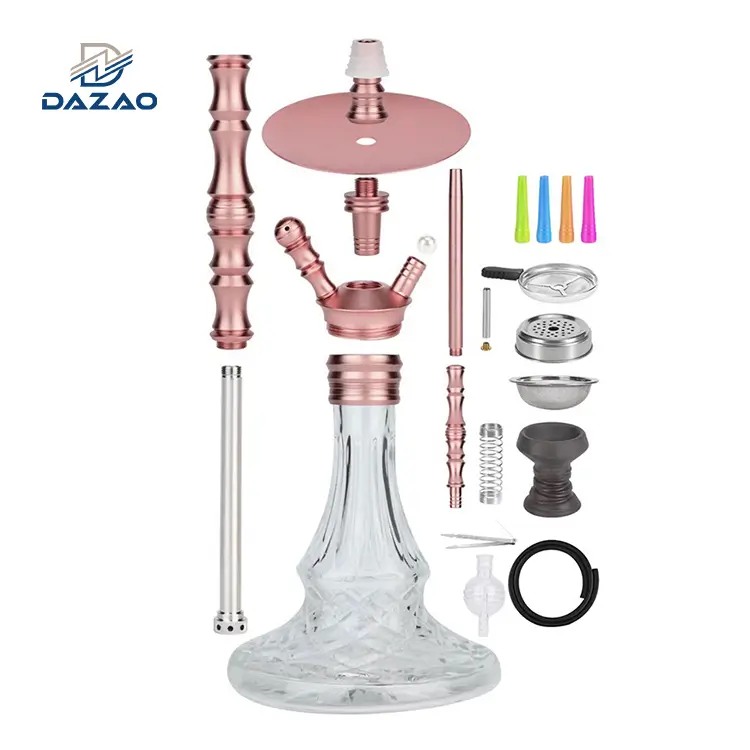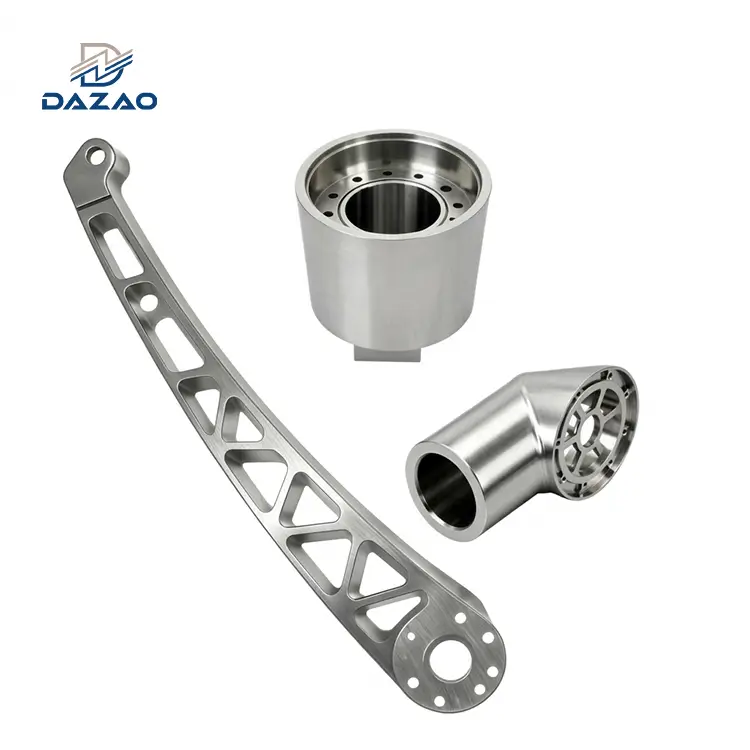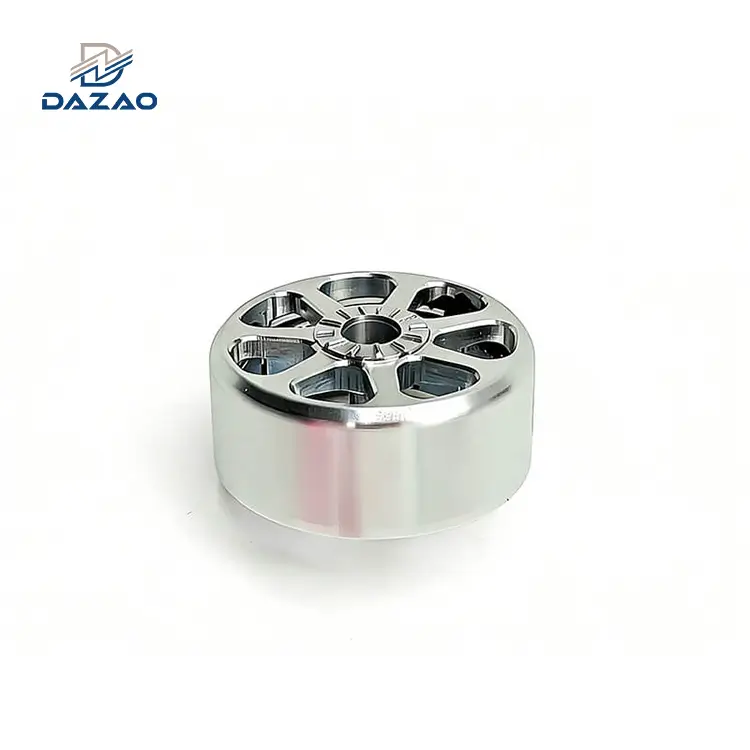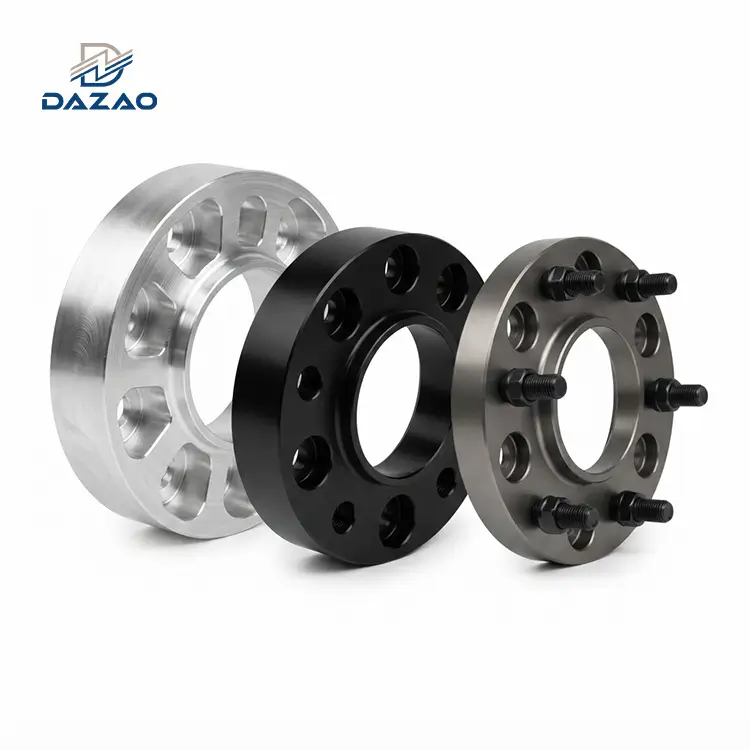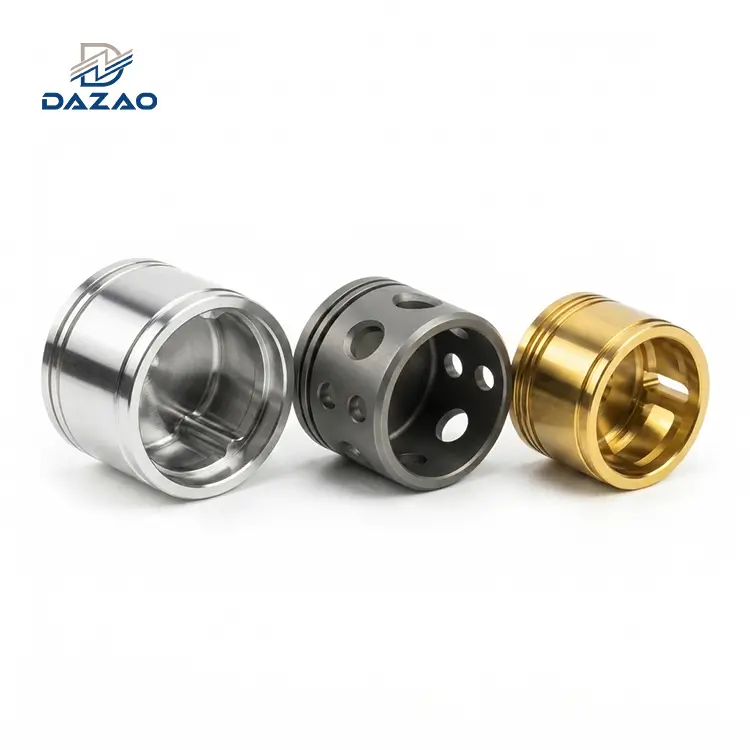

Automotive prototyping CNC for powertrain components requires more than dimensional accuracy. For engineers developing next generation induction systems, the prototype must perform as a high pressure vessel under extreme thermal loads.
Often reveal a common pain point: custom aluminum manifolds that suffer from vacuum leaks at idle or catastrophic thread failure during heat cycles. These failures typically occur because the machining provider treated the engine part as a decorative model rather than a functional assembly.
Xiamen Dazao Machinery leverages IATF16949:2016 quality protocols to bridge the gap between design intent and track reality. By focusing on the physics of machining engine parts, we eliminate the hidden risks in aluminum manifold fabrication.

Eliminating Airflow Turbulence through Advanced Internal Path Engineering
Standard CNC programming often ignores the boundary layer physics inside an intake manifold. Most machine shops use 3-axis strategies that leave stepped tool marks inside the runners, which disrupts laminar flow and creates localized turbulence.
Optimizing Internal Surface Roughness for Volumetric Efficiency
In high performance R&D, a 5 percent deviation in airflow between cylinders can lead to catastrophic engine knock. Dazao utilizes 5-axis simultaneous milling to ensure the tool remains perpendicular to the port geometry. We target a Ra 0.8 to 1.6 surface finish inside the runner walls without manual porting. This level of consistency ensures that the digital flow simulations (CFD) match the physical dyno results.
Tool Access and Wall Thickness Consistency
Complex plenum designs often have thin sections that are prone to vibration during machining. Our engineering team applies wall thickness compensation during the automotive prototyping CNC process. This prevents the wall thinning that often leads to fatigue cracking in forced induction applications.
Thermal Stability: Preventing Flange Warp and Vacuum Leaks
A recurring complaint on technical forums is the warping of large engine covers or manifold flanges after the first heat cycle. This is usually caused by residual internal stress within the aluminum billet.
Stress Relief Cycles for Large Scale Engine Components
When machining engine parts like a 600mm long valve cover, removing large volumes of material causes the aluminum grain structure to shift. Dazao implements a mandatory stress relief protocol:
· Rough machining to leave a 2.0mm offset.
· Thermal aging process to stabilize the material.
· Final precision pass for critical mating surfaces.
This process ensures that the flange stays flat within 0.03mm, preventing the vacuum leaks that plague inferior prototypes.

Precision Sealing for O-Ring and Gasket Interfaces
Leakage at the manifold-to-head interface is often caused by incorrect groove geometry. We utilize diamond-tipped tooling to achieve the mirror finish required for high-pressure O-ring seals, ensuring 100 percent sealing integrity under both vacuum and boost conditions.
Hardening the Prototype: Thread Integrity and Fatigue Resistance
Many engineers face the issue of steel bolts stripping threads out of aluminum prototypes during repeated assembly.
Engineering High Strength Threaded Interfaces
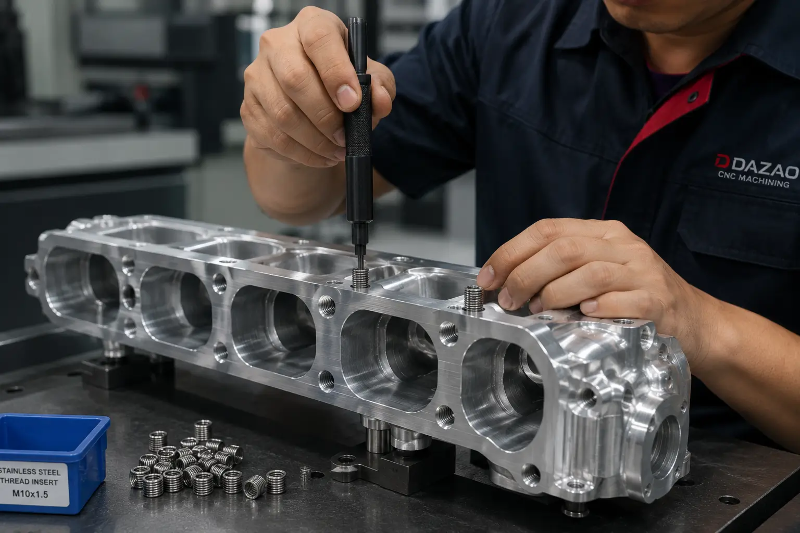
In the world of aluminum manifold fabrication, the mounting points for fuel rails and throttle bodies are critical failure points. Dazao recommends and installs stainless steel thread inserts (Helicoils) for all high-torque fasteners. This upgrade prevents the galling and thread fatigue common in pure aluminum threads.
Material Performance Comparison for Engine Components
|
Feature |
Al7075-T6 |
Al356 (Cast Equivalent) |
|
|
Yield Strength |
276 MPa |
503 MPa |
165 MPa |
|
Thermal Conductivity |
167 W/m-K |
130 W/m-K |
151 W/m-K |
|
Machinability |
Excellent |
Good |
Fair |
|
Best Use Case |
Intake Manifolds |
High Stress Mounts |
Production Validation |
Why IATF16949 Standards Matter for Your Prototype
Choosing a shop with automotive certification like Xiamen Dazao Machinery ensures that your prototype follows a traceable manufacturing plan. We provide full material mill reports and digital inspection data as standard. Our 5-axis CNC capacity allows us to machine engine covers and manifolds up to 1200mm, covering everything from compact four-cylinder builds to heavy-duty V12 architectures.
Final Procurement Checklist for Engine Prototyping
1.Does the supplier provide a CMM report for flange flatness?
2.Is there a specific plan to manage internal runner roughness?
3.Are thread inserts offered for high-vibration mounting points?
4.Does the facility have IATF16949 or ISO9001 certification?

Technical FAQ: Solving Engine Prototyping Pain Points
01.How do you prevent vacuum leaks on custom CNC manifolds?
02.Why do my aluminum manifold threads fail after several heat cycles?
03.Can CNC machining match the airflow of a production cast manifold?
04.What is the best aluminum grade for a turbocharger intake plenum?
05.How does Dazao ensure the internal runners are accurately machined?
06.Is IATF16949 certification necessary for a one-off prototype?