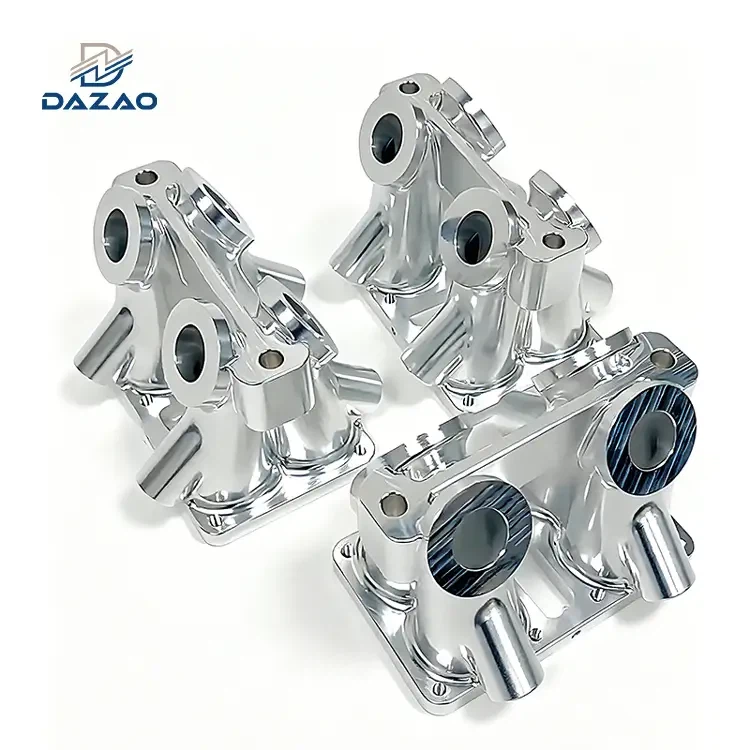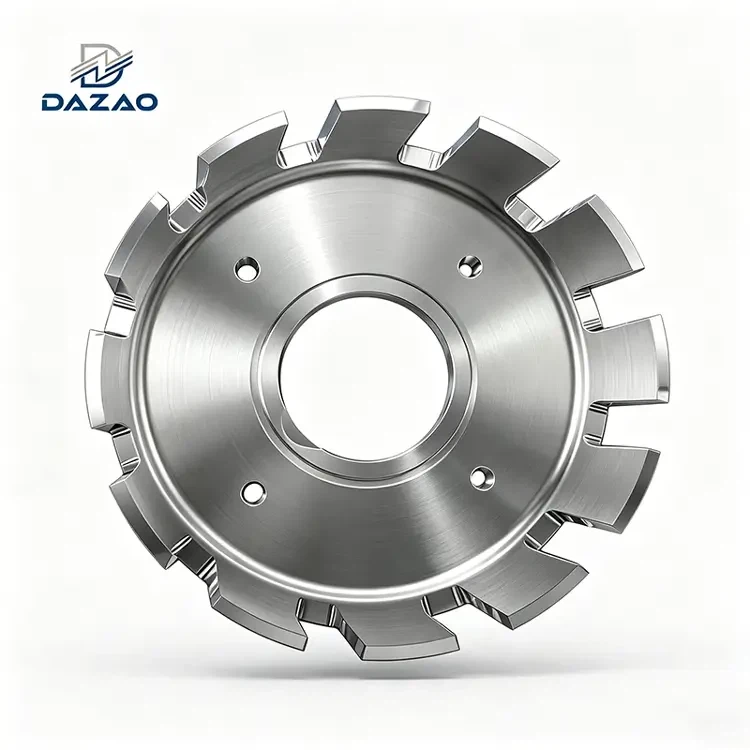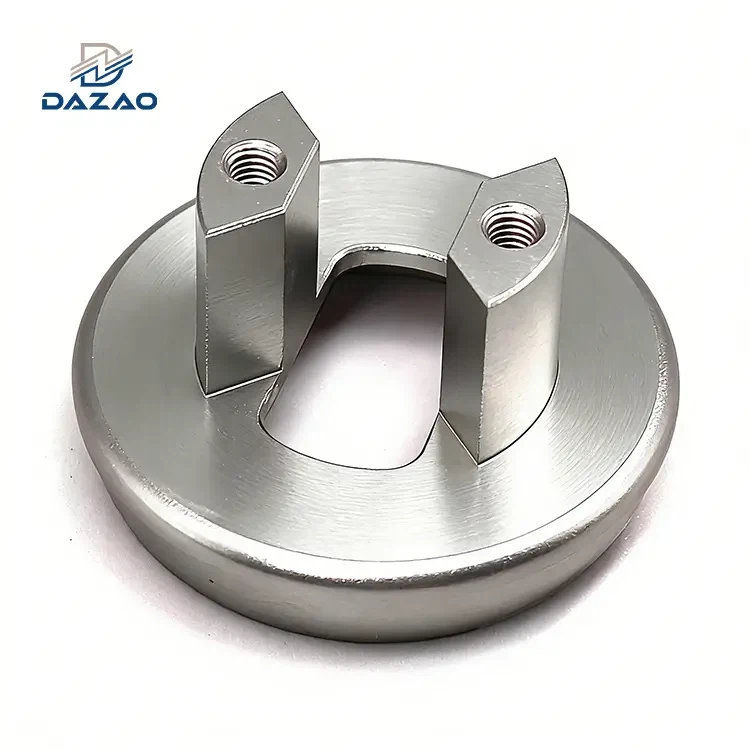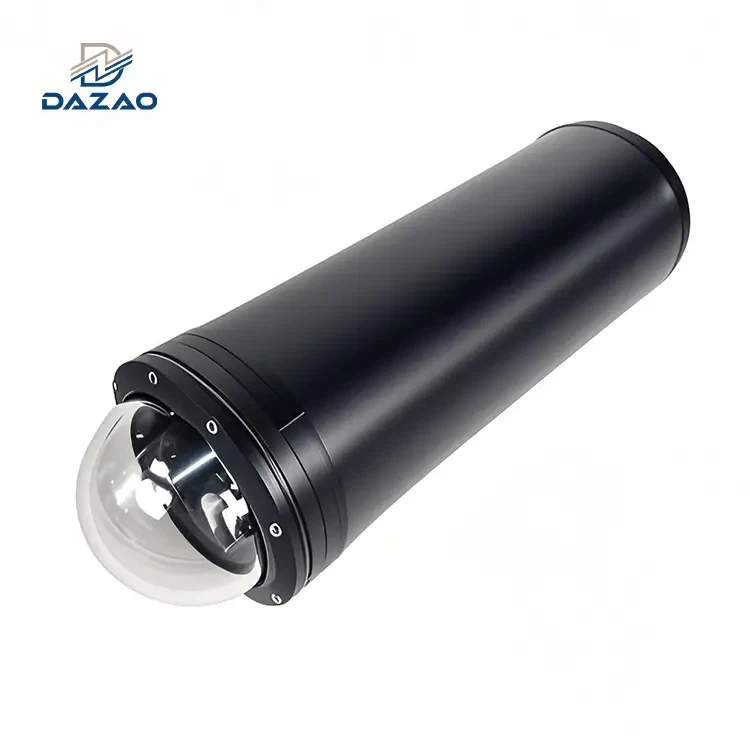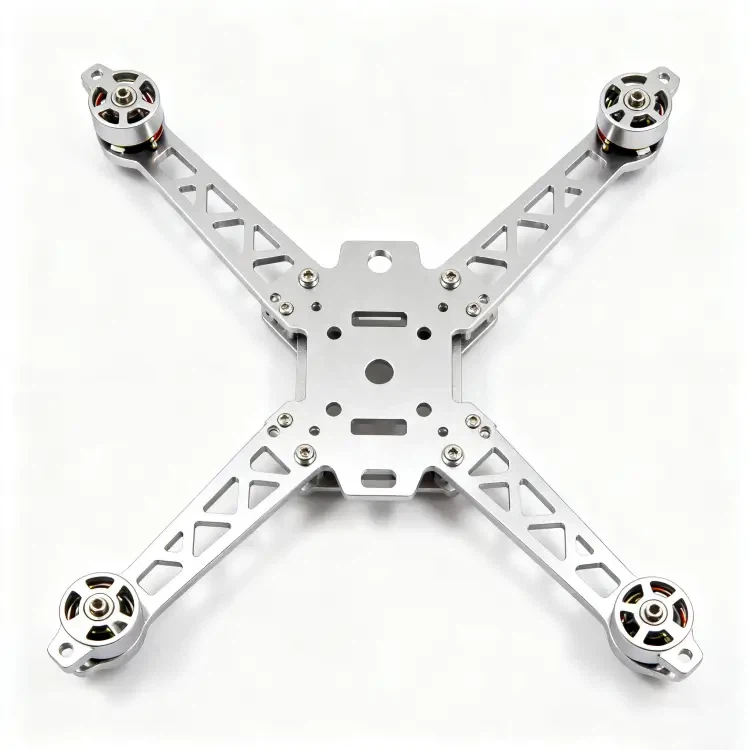
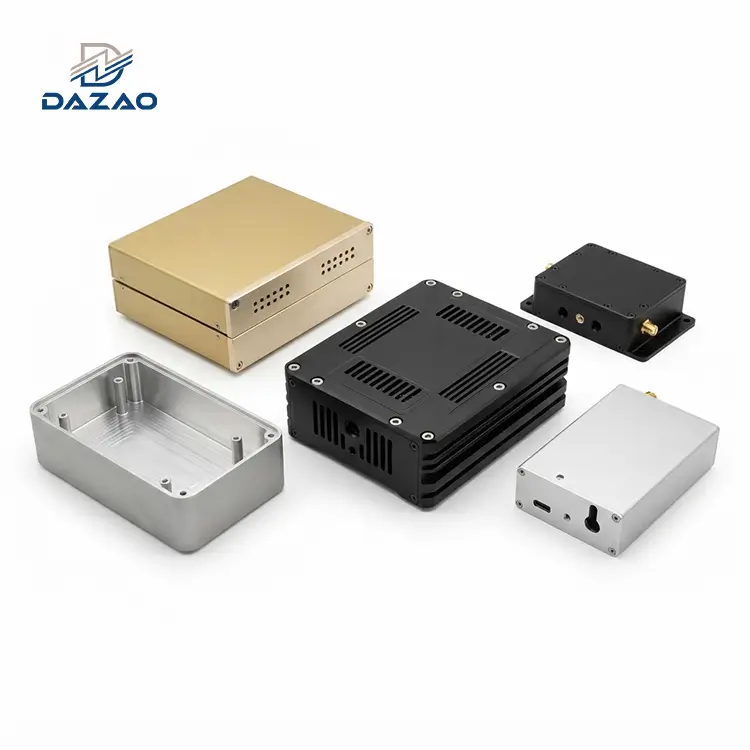
Precision CNC Machined Aluminum Electronic Enclosures Al6061 T6
Engineered for zero-defect assembly, high-shielding integrity, and rapid 3-day physical prototyping.
Core Engineering Features:
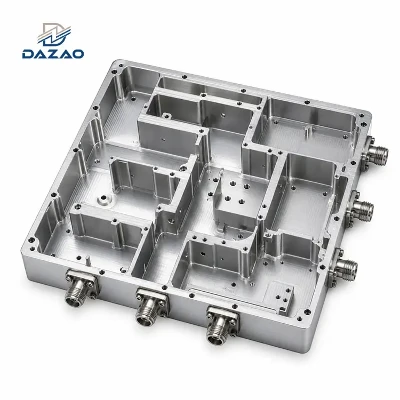
Precision CNC machined aluminum PCB enclosure parts.
3-day lead time for CNC aluminum prototype enclosure.
Anodized CNC aluminum electronics enclosure finishes.
Flatness ≤0.02mm for CNC machined aluminum RF enclosure.
No MOQ on custom CNC machined aluminum enclosure units.
Bead blasted CNC aluminum enclosure finishes in stock.
AL7075-T6 for heavy duty CNC aluminum enclosure orders.
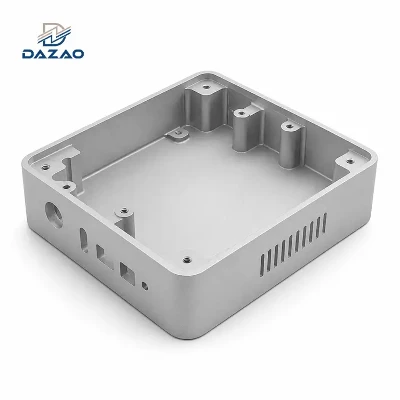
Precision Aluminum Enclosure Machining Capabilities and Structural Features
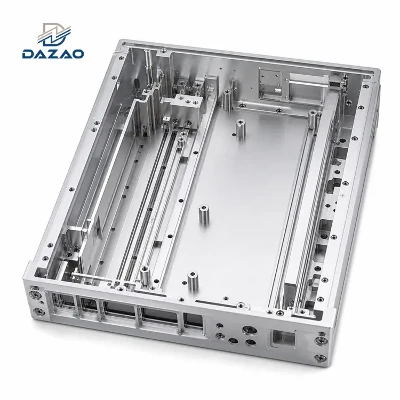
Monolithic pocket milling from premium aerospace-grade alloys to eliminate cast-metal porosity and micro-cracks.
Xiamen Dazao Machinery produces high-precision electronic housings utilizing multi-axis CNC machining services. We machine these enclosures directly from solid AL6061-T6 and AL7075-T6 aluminum billets, eliminating structural defects common in die-casting such as internal porosity, gas pockets, and sink marks.
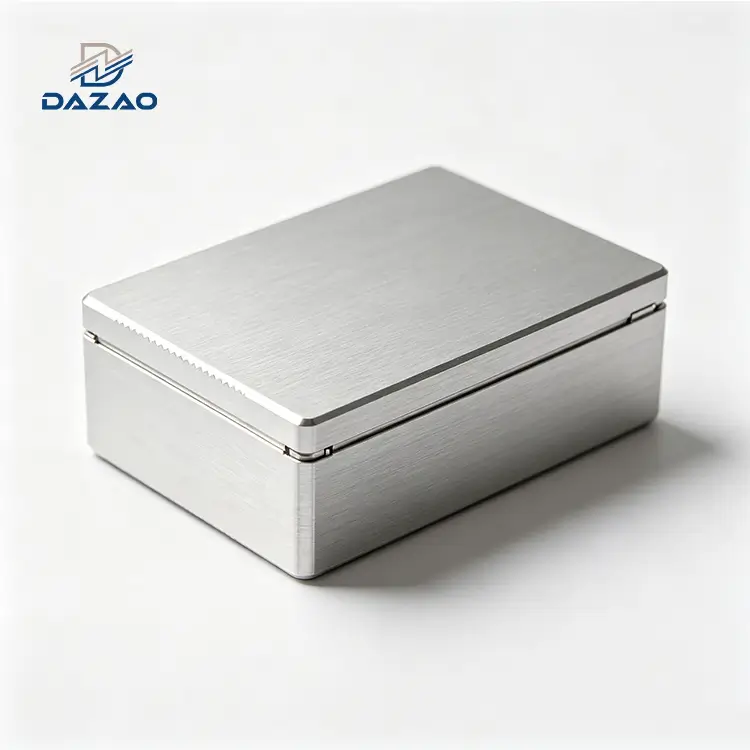
Our capabilities support two piece CNC aluminum enclosure configurations, high-frequency RF shielding boxes, and heavy-duty industrial controller housings. With 9 years of dedicated machining expertise, we have developed standardized production strategies that address assembly tolerances, post-anodizing dimensional growth, and electromagnetic continuity. For non-metallic applications requiring lightweight protection, we also produce ABS electronic enclosures with identical precision profiles.
Case Study 1: Resolving Cumulative Tolerances in High-End DAC Decoders
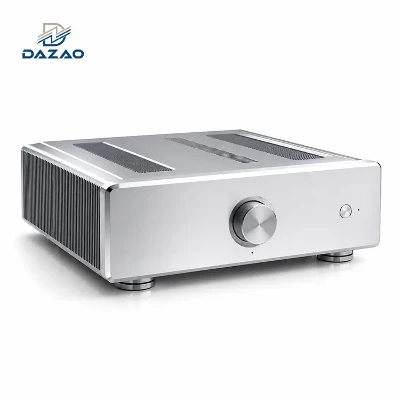
During a production run of an audiophile CNC aluminum chassis, a client experienced a 30% assembly failure rate due to a 0.1mm alignment shift between the milled mounting bosses and their PCB holes. While individual components met basic drawing dimensions, cumulative tolerances across the assembly prevented screws from mating, resulting in uneven split-line gaps. To rectify this, we instituted a DFM check protocol that cross-references the client's actual PCB Gerber data against the enclosure CAD models. We now perform physical test-fitments on the first article using the customer's bare PCB boards before starting mass production. This protocol has improved subsequent assembly pass rates to over 99%.
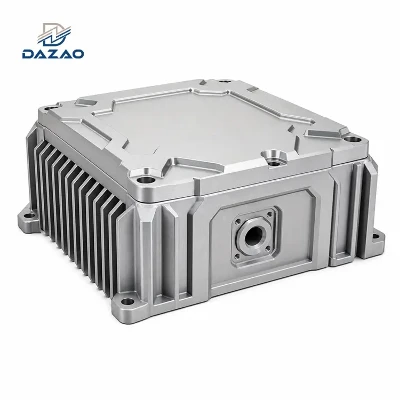
Case Study 2: Dimensional Pre-Compensation for Hard-Anodized Handheld Devices
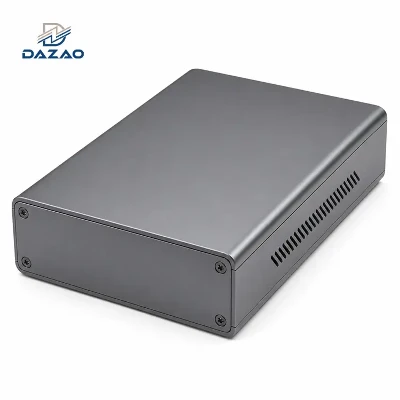
We previously manufactured a batch of industrial handheld device housings that required a 20-25μm thick black hard-anodizing finish. Machining the parts directly to the nominal final dimensions resulted in assembly interference, as the oxide film thickness reduced thread diameters and tight mating tolerances. We solved this by developing a pre-compensation dimension matrix. Our machinists adjust the pre-anodizing dimensions based on the specific coating thickness (reducing outer dimensions and expanding internal holes). We run batch anodizing in single-lot configurations to ensure color consistency, preserving a 100% assembly rate without post-plating rework.
Case Study 3: Eliminating RF Leakage in Military Communications Enclosures
In 2022, we manufactured a series of aluminum shielding enclosures for a defense communications project. Standard milling left minor surface tool marks along the mating flanges, allowing a 15dB electromagnetic leak during high-frequency testing. To resolve this, we optimized our finishing path using mirror-face milling to secure a mating surface flatness of ≤0.02mm, which eliminated microscopic assembly gaps. We paired this with a conductive chemical conversion coating (chromate) rather than standard insulating anodizing. This setup achieved the required electrical continuity and completely resolved the RF leakage, securing our position as the client's long-term production partner.
Technical Specifications and Tolerance Limits for Milled Enclosures
Verifiable dimensional data and micro-flatness limits configured for immediate drop-in board alignment.
|
Parameter / Specification |
Engineering Value & Capabilities |
|
Primary Alloys |
AL6061-T6, AL7075-T6, AL5052, AL6082-T6 |
|
Machining Accuracy |
Linear: ±0.02mm, Coaxiality: ≤0.02mm, Split-Line Gap: ≤0.05mm |
|
Max Machining Envelope |
1000mm x 800mm x 400mm |
|
Surface Finish (Roughness) |
Ra 0.8 to Ra 1.6 (As-Milled) |
|
Surface Treatments |
Glass Bead Blasting (G1 to G3), Type II/III Anodizing, Chromate Conversion |
|
Integrated Features |
Helicoil/Brass inserts, thermal management columns, IP66/67 O-ring grooves |
|
Prototyping Lead Time |
3 Business Days |
|
Batch Production Lead Time |
7 to 15 Business Days (Finish Dependent) |
|
Quality Documentation |
Material Certification, FAI Report, CMM Dimensional Inspection |
Engineering Guide to Aluminum Alloy Selection: AL6061-T6 vs AL7075-T6
AL6061-T6
· Primary Advantages: Excellent strength-to-weight ratio, high machinability, uniform anodizing response, and optimal cost-efficiency.
· Target Applications: Standard consumer electronics, medical diagnostics, industrial controller frames, and general mounting panels.
· Engineering Considerations: Yield strength is lower than 7075-T6; not recommended for high-impact structural assemblies.
AL7075-T6
· Primary Advantages: Aircraft-grade material featuring high yield strength, surface hardness, and superior impact resistance.
· Target Applications: Military transceivers, aerospace avionics bays, ruggedized outdoor controllers, and deep-sea sensor pods.
· Engineering Considerations: Higher material and machining costs; anodized color uniformity is slightly less consistent than 6061-T6.
Metrology Protocols and In-Process Quality Assurance Standards
Rigorous dimensional inspection and first-article verification to guarantee field-ready installation.
We inspect each precision CNC plastic part and aluminum component using automated coordinate measuring machines.
· Raw Material Validation: Optical Emission Spectroscopy (OES) verification on incoming aluminum billets to guarantee correct alloy grade and temper.
· First Article Inspection (FAI): 100% coordinate measuring machine (CMM) dimensional verification and layout check before production release.
· In-Process Dimensional Control: Scheduled micrometric audits and thread-gauge testing at set machining intervals to monitor tool wear.
· Functional Fit Verification: Assembly mock-up tests using customer-supplied PCB mockups or custom check-fixtures for physical clearance validation.
· Cosmetic Final Inspection: Surface verification under high-intensity 1000-lux lighting to isolate color variations, scratches, or micro-burrs before shipping.
Industrial Applications and Harsh Environment Deployment Scenarios
Proven electronic protection designs engineered to withstand thermal stress, shock, and electromagnetic noise.
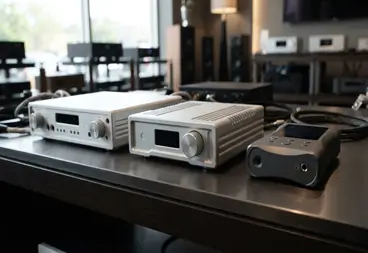
High-End Consumer Audio
Milled enclosures for DAC decoders, pre-amplifiers, and portable music players requiring high cosmetic standards.
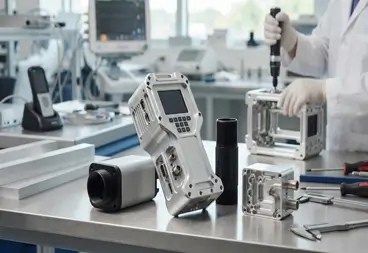
Medical Diagnostic Equipment
Corrosion-resistant, high-precision housings for handheld analyzers, laser equipment, and patient monitors.
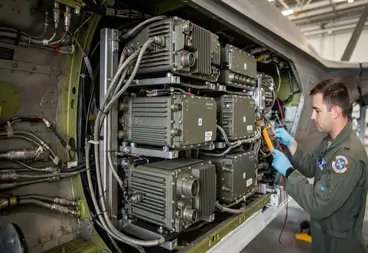
Military & Aerospace Communications
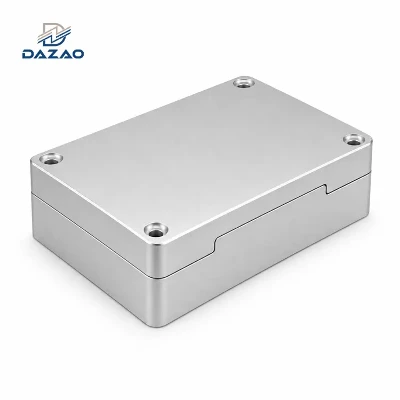
Highly shielded RF cases, radar electronics boxes, and airborne power distribution units.
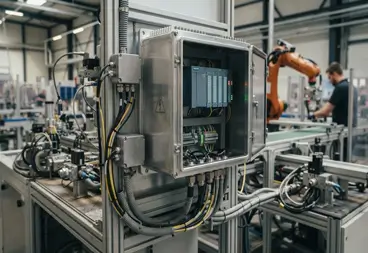
Industrial Automation Controls
Heavy-duty enclosures for PLC controllers, fieldbus interfaces, and sensor junctions.
Engineering Comparison: Monolithic CNC Billet vs Die-Cast and Sheet Metal Housings
Why subtractive milling delivers unmatched structural density and cosmetic refinement for low-volume production.
· Dimensional Precision: CNC machining holds tolerances of ±0.02mm, whereas die-casting typically achieves ±0.1mm. This precision eliminates secondary post-cast machining for critical mounting locations.
· Surface Quality: Milled parts are free of the surface voids, gas pockets, and flow lines common in castings, enabling highly cosmetic anodized finishes.
· Tooling Costs & Lead Time: CNC machining requires zero investment in expensive steel molds, dropping entry costs and reducing development cycles from months to days.
· Mechanical Strength: Monolithic billet machining maintains the continuous grain structure of wrought aluminum, delivering higher structural strength than cast or thin sheet-metal configurations.
FAQs
01.Can you manufacture a custom CNC machined aluminum enclosure?
02.Do you provide rapid turnaround for a CNC aluminum prototype enclosure?
03.What accuracy levels can you achieve with a precision CNC milling aluminum enclosure?
04.Do you supply anodized CNC aluminum electronics enclosure parts with custom colors?
05.Can you produce a bead blasted CNC aluminum enclosure with a matte texture?
06.Do you manufacture a custom CNC machined aluminum PCB enclosure?
Submit your 2D drawings (PDF/DXF) and 3D CAD files (STEP/IGS) to erica@dazaocn.com for a thorough DFM review and an actionable engineering quotation within 24 hours.
We offer global air and ocean shipping, support DDP delivery terms, and sign bilateral Non-Disclosure Agreements (NDAs) to protect your intellectual property.
Contact Us

Hot Tags: CNC Machined Aluminum electronic enclosure,precision CNC milling aluminum enclosure,anodized CNC aluminum electronics enclosure,CNC machined aluminum PCB enclosure