


High Precision
Tolerances down to ±0.005mm for mission-critical parts.
Fast Turnaround
Quotes in 24h and production lead times as short as 3 days.
Certified Quality
ISO 9001:2015 certified facility with full CMM inspection.
Complex Geometries
Simultaneous 5-axis milling for intricate undercuts.
What is 5-Axis Machining?
Redefining technical possibilities through multi-axis precision.
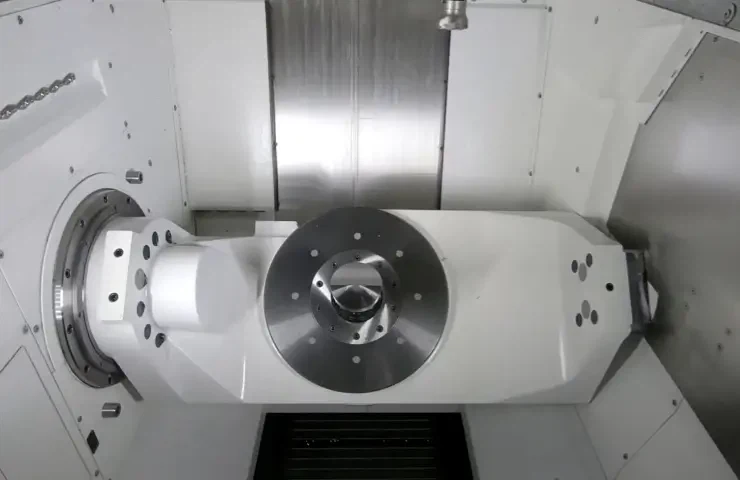
5-axis CNC machining involves using a machine that can move the workpiece or the cutting tool along five different axes simultaneously. These include the standard X, Y, and Z linear axes, plus two rotational axes (A and B).
This multidirectional movement allows the cutting tool to approach the workpiece from virtually any angle, enabling the creation of extremely complex shapes, deep undercuts, and intricate 3D geometries in a single setup.
Reduced setup times and manual handling
Superior surface finish quality
Enhanced accuracy between complex features
Capability for high-complexity aeronautical shapes
5-Axis vs. 3-Axis Machining
Traditional 3-axis machining moves in three linear directions.
Our 5-axis systems add two rotational axes, allowing the tool to approach the part from any direction.
Standard 3-Axis
Best suited for flatter, simpler parts that require movement along X, Y, and Z axes only. Often requires multiple setups for multidimensional parts.
Limited tool access to complex faces
Higher labor cost for part repositioning
Risk of error during manual setups
Basic prismatic geometries
Precision 5-Axis
Enables simultaneous 5-axis movement for high-complexity parts. Reduces setups to one, ensuring geometric integrity and speed.
Full access to complex contoured shapes
Single-setup precision for all features
Optimized cutting conditions
Lower long-term production costs
Materials for Custom 5-Axis CNC Machining
Different parts demand different material properties, and 5-axis machining handles them all-if you have the right experience. We actively cut over 50 different metals and plastics at Dazao. Whether you are dealing with a standard aluminum enclosure or a medical part requiring specialized biocompatible titanium, we've got the inventory and the know-how to get it done right. Check out the common materials we work with below, and feel free to ask us if you have unique material requirements.
Metal
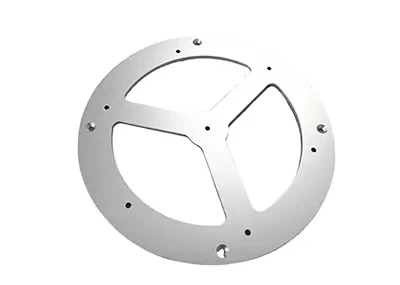
Lightweight, highly machinable, and versatile, offering an excellent strength-to-weight ratio for everything from aerospace structures to cosmetic electronic housings.
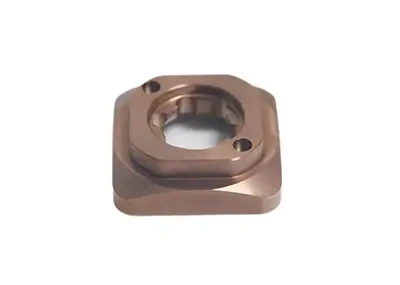
Highly valued for its exceptional electrical and thermal conductivity, making it the top choice for heat sinks, electrical contacts, and power distribution components.
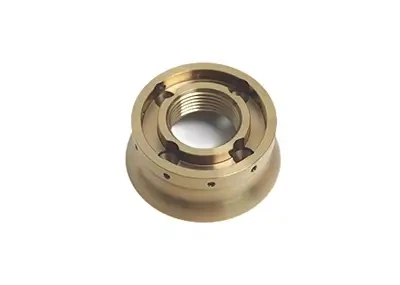
Known for its outstanding free-machining capabilities and low-friction properties, perfectly suited for precision gears, valves, and custom fluid fittings.
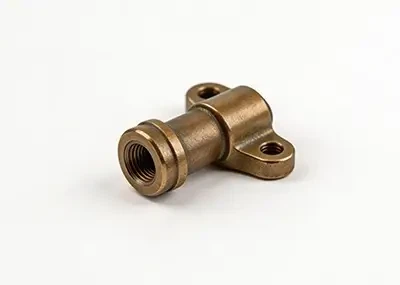
A tough, wear-resistant alloy with superior resistance to metal fatigue and saltwater corrosion, widely favored for heavy-duty bearings, bushings, and marine hardware.
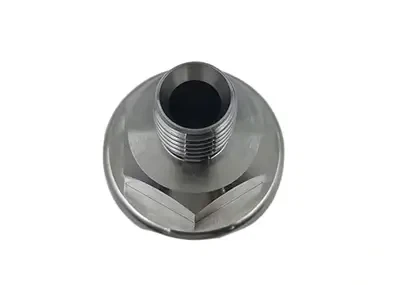
Provides outstanding tensile strength, toughness, and impact resistance for high-stress tooling, gears, and automotive shafts at a very cost-effective price point.
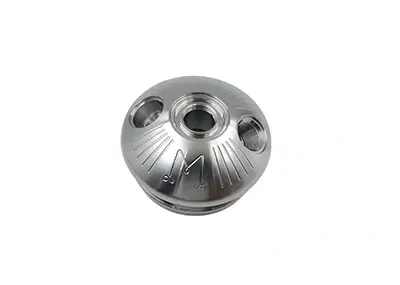
Combines high structural strength with exceptional corrosion and high-temperature resistance, making it mandatory for medical devices and food-grade applications.
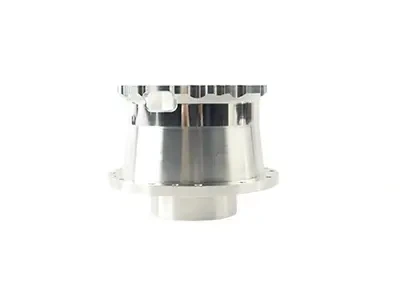
Magnesium is the lightest structural metal, offering an extremely high strength-to-weight ratio, which is crucial for weight-sensitive aerospace, drone, and motorsport components.
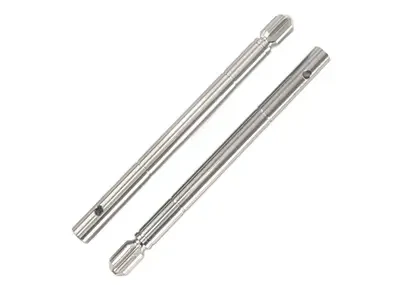
Delivers extreme temperature resistance, superior strength, and perfect biocompatibility, strictly reserved for demanding aerospace applications and surgical implants.

Topo's washing machine capacitors are manufactured applying quality metallized polypropylene film, allowing for a better stability at high temperatures. And these capacitors also serve for the motor of the washing machine, empowering the machine to start and run properly.

Topo's washing machine capacitors are manufactured applying quality metallized polypropylene film, allowing for a better stability at high temperatures. And these capacitors also serve for the motor of the washing machine, empowering the machine to start and run properly.
Plastic
 PEEK (Polyetheretherketone)
ABS (Acrylonitrile Butadiene Styrene)
PC (Polycarbonate)
PA (Nylon)
PMMA (Acrylic)
PTFE (Teflon)
HDPE (High-density polyethylene)
PAI (Torlon)
PET (Polyethylene Terephthalate)
PEEK (Polyetheretherketone)
ABS (Acrylonitrile Butadiene Styrene)
PC (Polycarbonate)
PA (Nylon)
PMMA (Acrylic)
PTFE (Teflon)
HDPE (High-density polyethylene)
PAI (Torlon)
PET (Polyethylene Terephthalate)
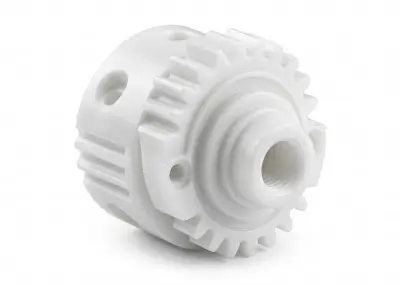
The absolute gold standard for precision CNC plastic, offering outstanding dimensional stability, low friction, and high stiffness for gears and bearings.
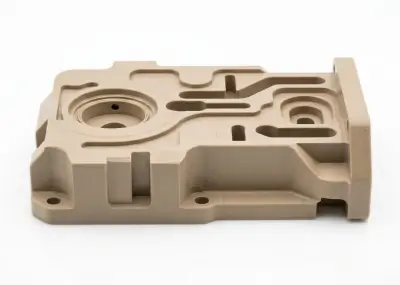
An ultra-high-performance plastic with exceptional mechanical strength and heat resistance, widely used in 5-axis machining for aerospace parts and medical implants.

An all-around engineering plastic with great impact resistance and excellent machinability, making it the top choice for complex enclosures and functional prototypes.

A tough, highly transparent plastic with excellent dimensional stability, ideal for machining complex optical manifolds and high-impact structural components.
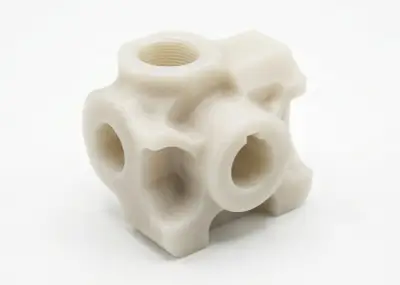
Known for its high wear resistance and excellent structural strength, frequently machined into heavy-duty 5-axis gears, bushings, and industrial wear parts.
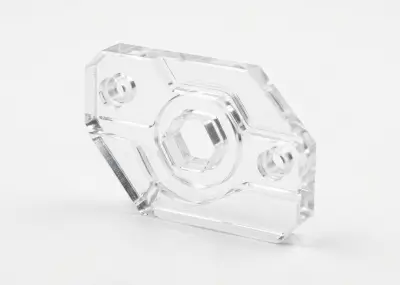
The top choice for applications requiring optical clarity and scratch resistance, perfectly suited for complex fluid manifolds and medical viewing windows.
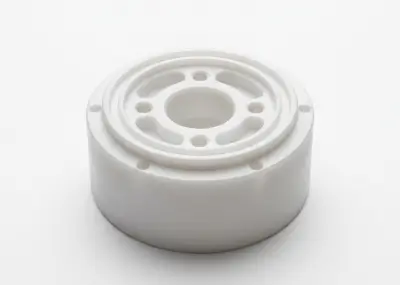
Offers the lowest friction of any solid material and extreme chemical resistance, making it the go-to choice for complex valve seats and medical seals.
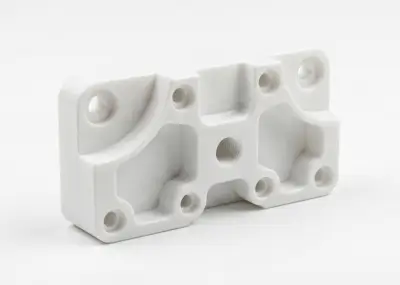
Tough, impact-and chemical-resistant, high shrink, low dimensional stability, inexpensive, density less than water (floats).

An ultra-high-strength plastic that maintains its exceptional stiffness and dimensional stability at extreme temperatures where most plastics fail.

Features excellent dimensional stability (superior to Nylon in wet environments) and low moisture absorption, making it ideal for precision mechanical components in food processing.
Surface Finishes for 5 Axis CNC Machining
Dazao offers a wide range of surface finishes to elevate the quality of your 5-axis machined parts. These treatments not only enhance the visual appeal of the components, but also improve key properties such as surface roughness, hardness, and corrosion resistance, while effectively masking any residual tool marks.
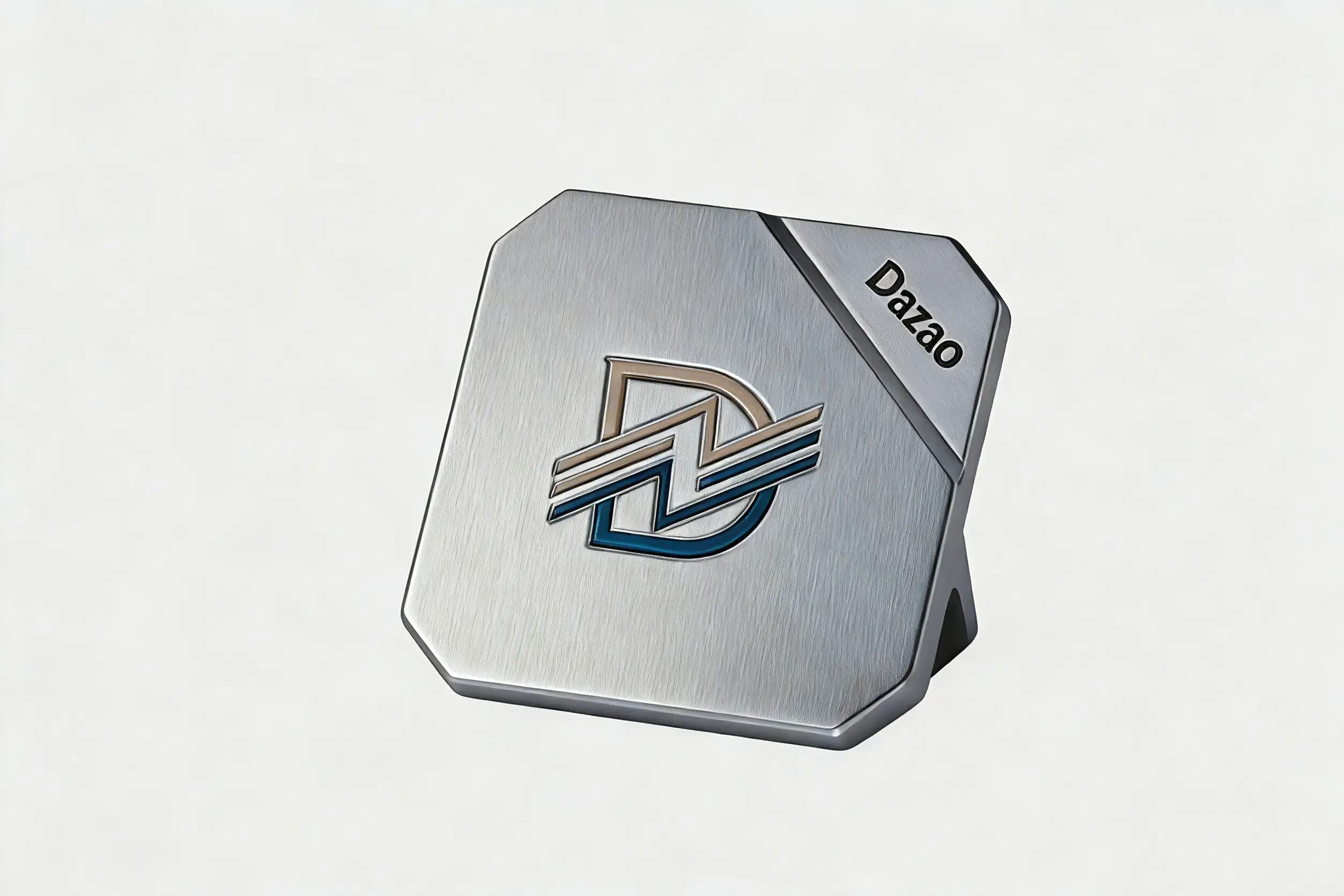
As-Machined
Standard industrial finish with visible tool marks.
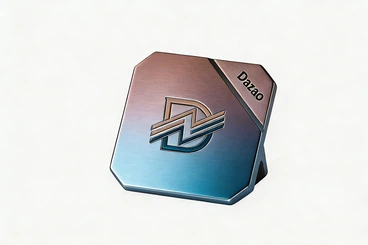
Anodizing
Electrochemical process that increases corrosion and wear resistance.
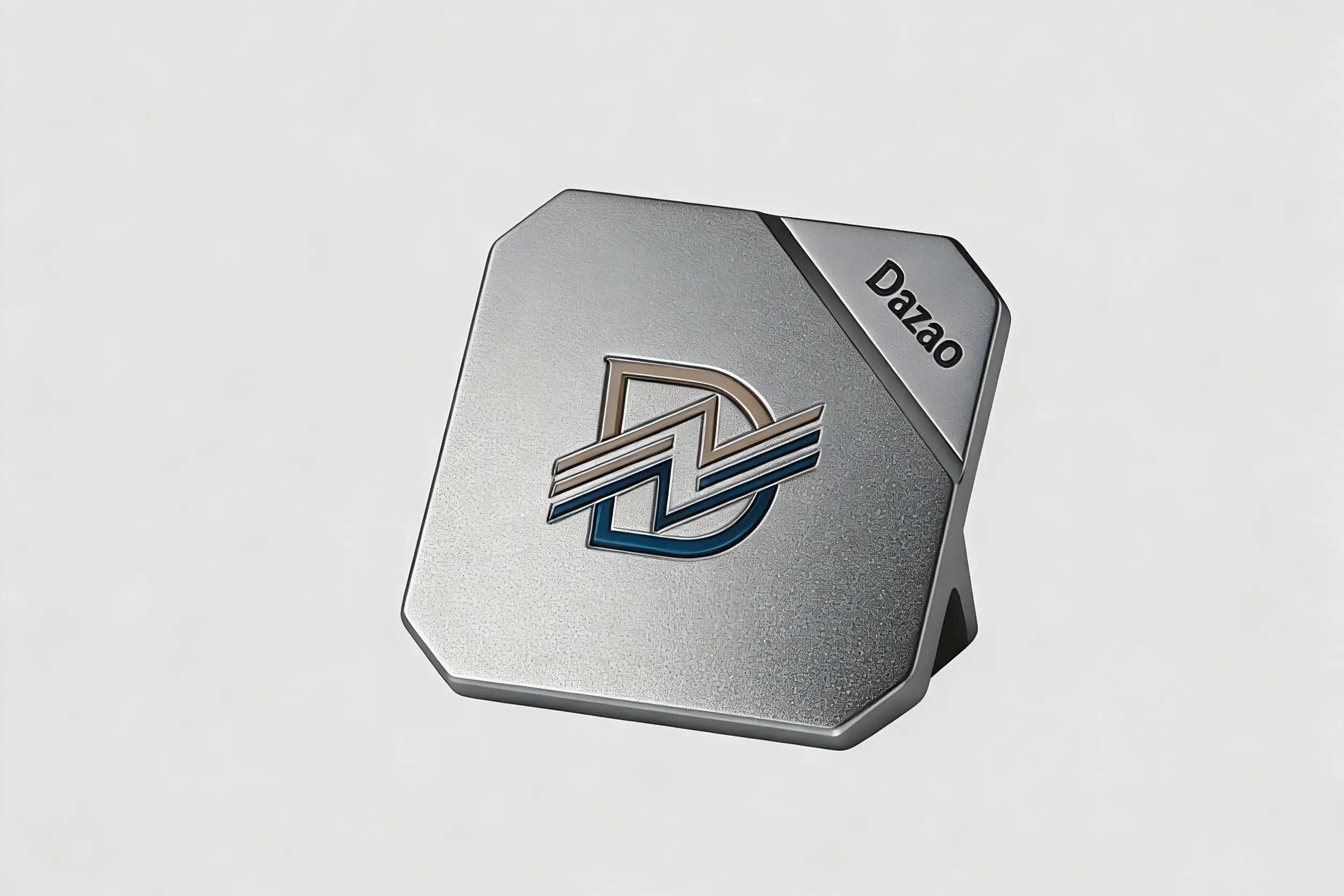
Bead Blasting
Creates a uniform matte or satin surface texture.
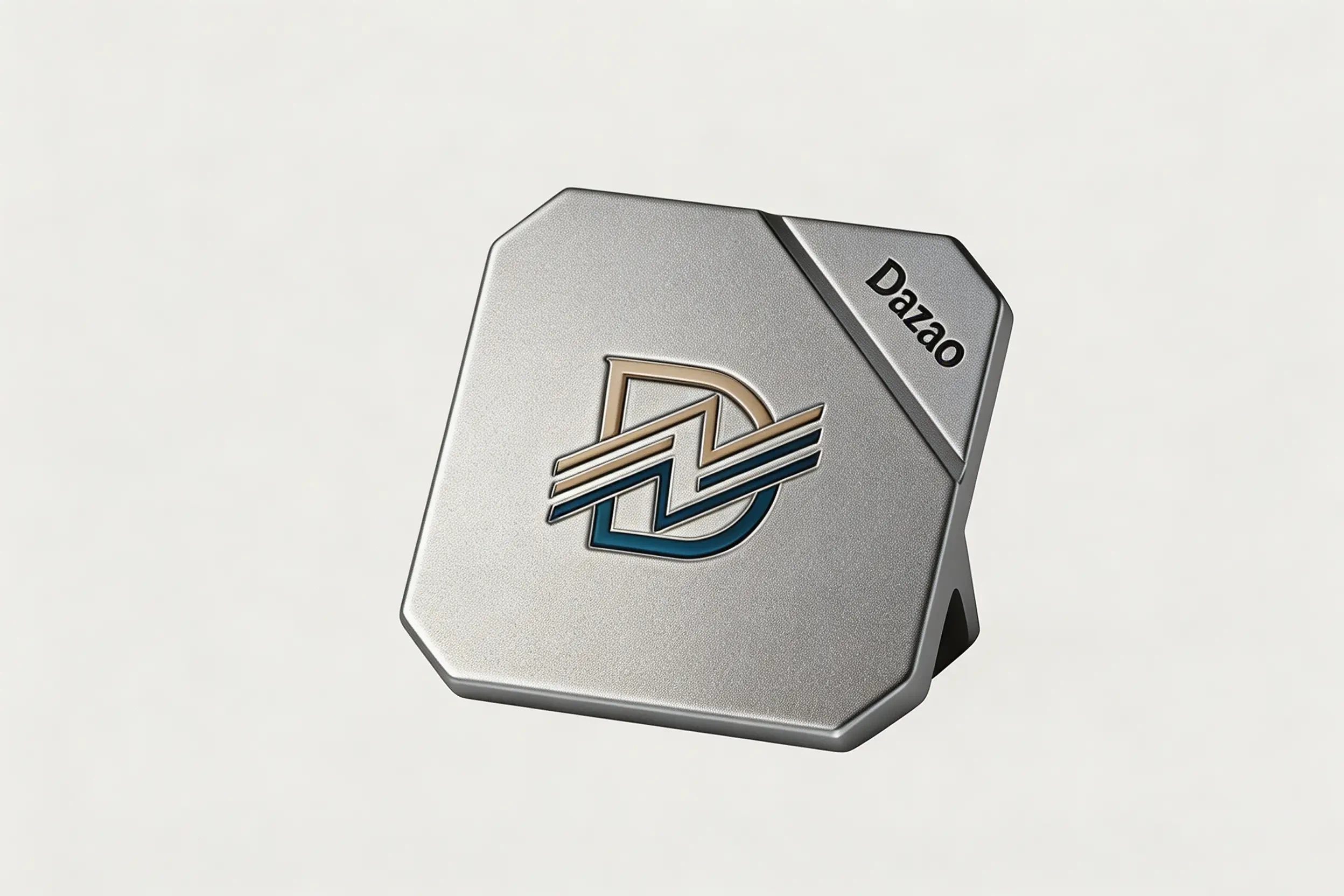
Passivation
Chemical treatment to improve the corrosion resistance of stainless steel.
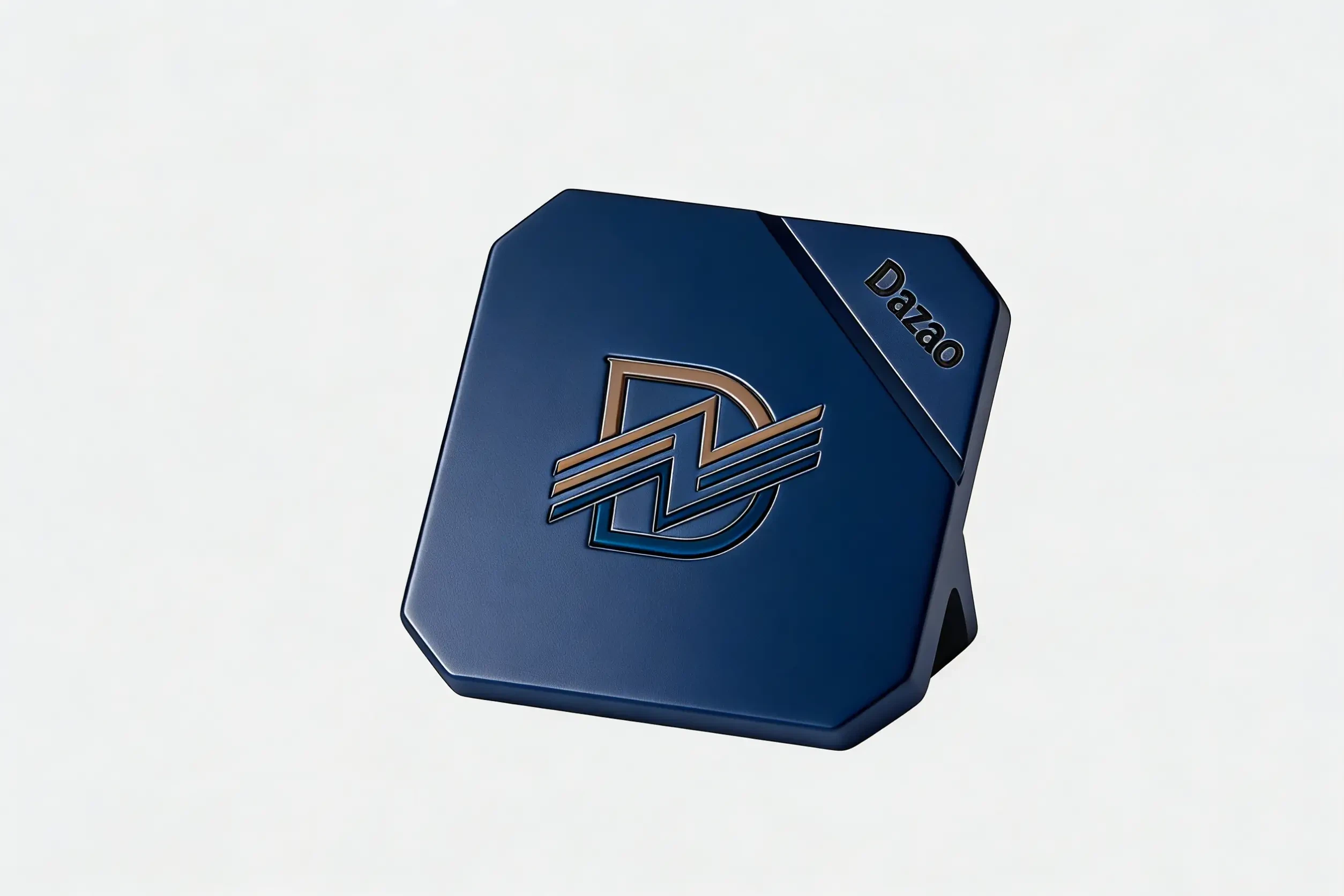
Powder Coating
Durable, colorful protective layer for aesthetic and functional use.
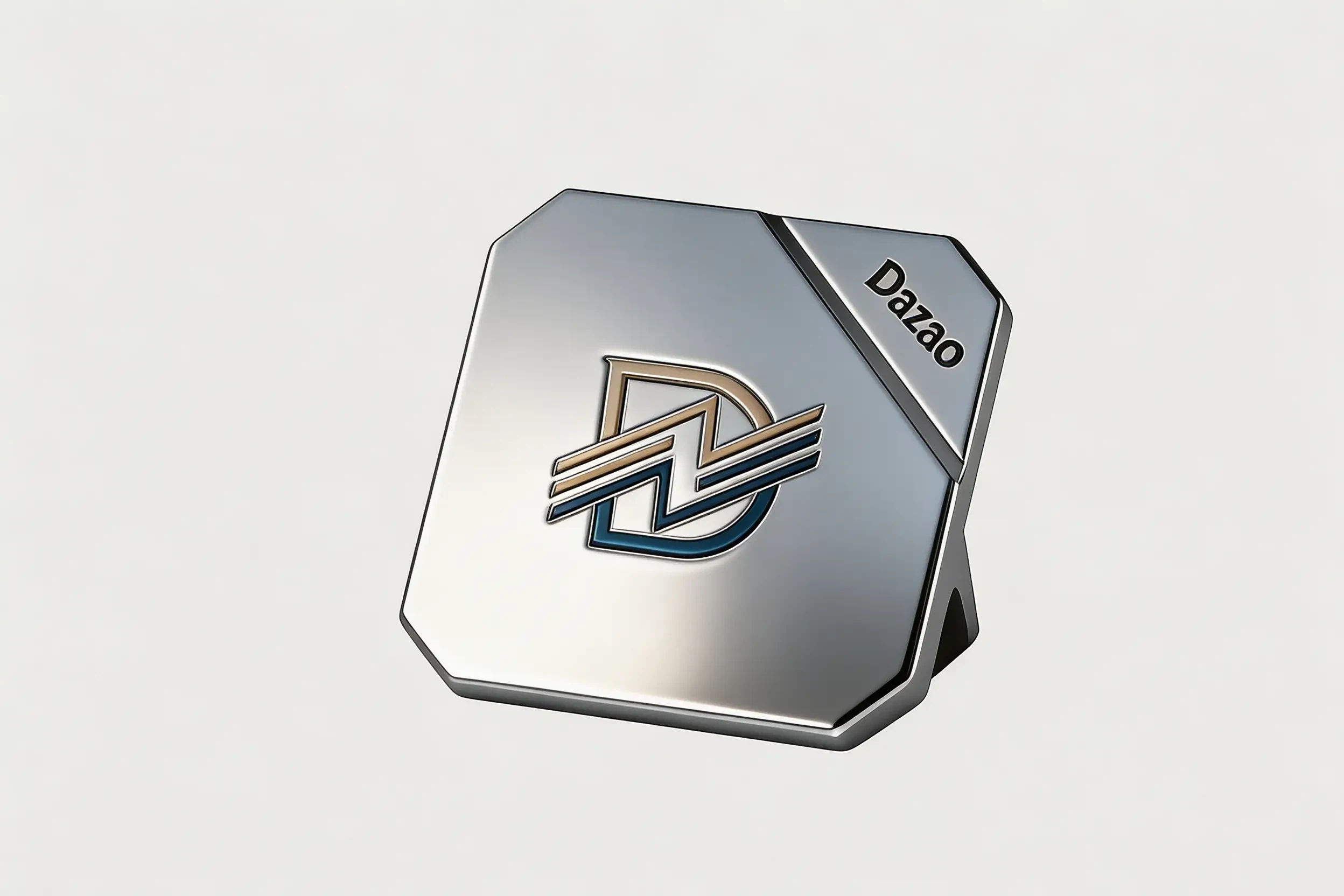
Electropolishing
Reduces surface roughness and enhances shine for medical components.
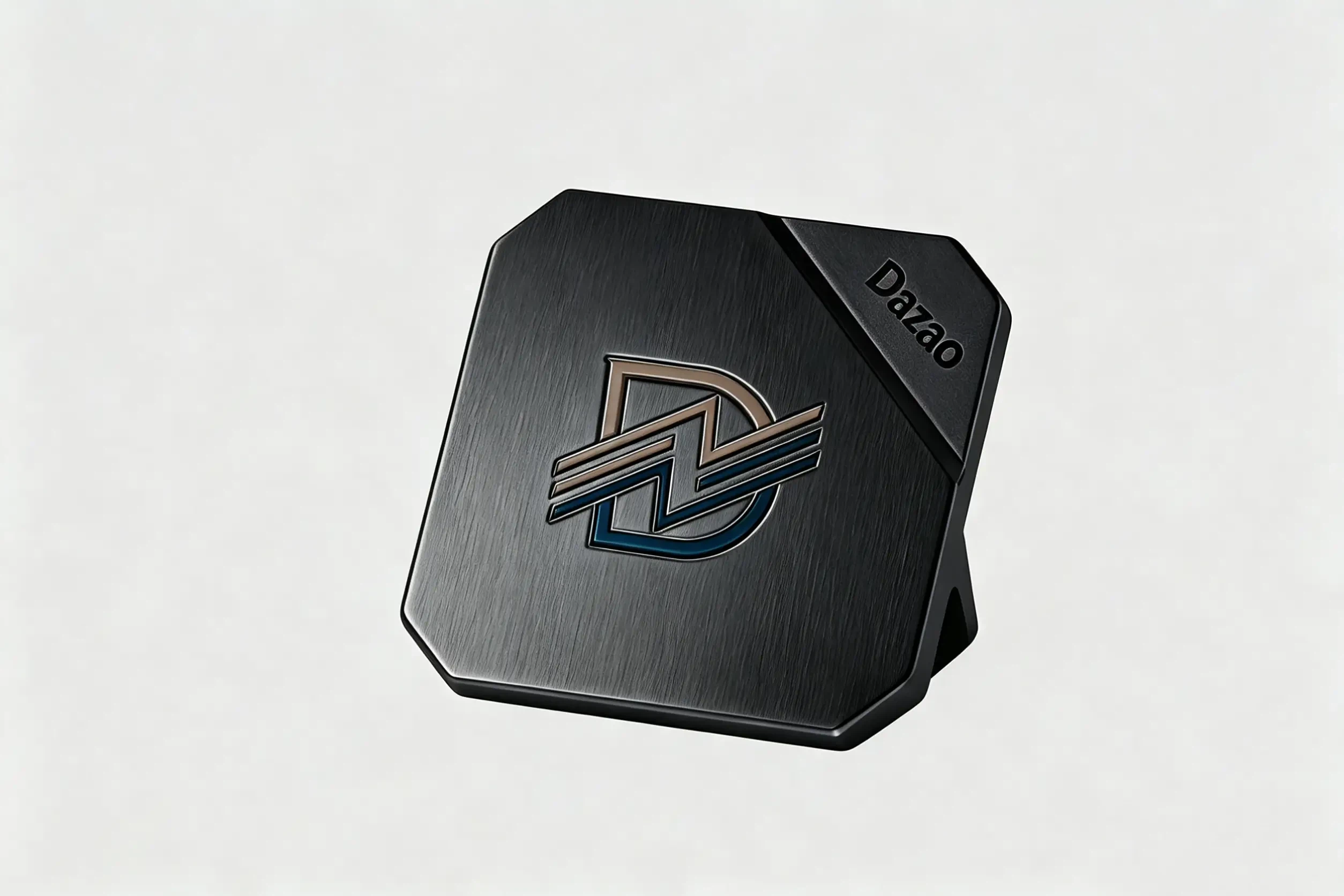
Black Oxide
A conversion coating for ferrous metals that improves corrosion resistance and minimizes light reflection.
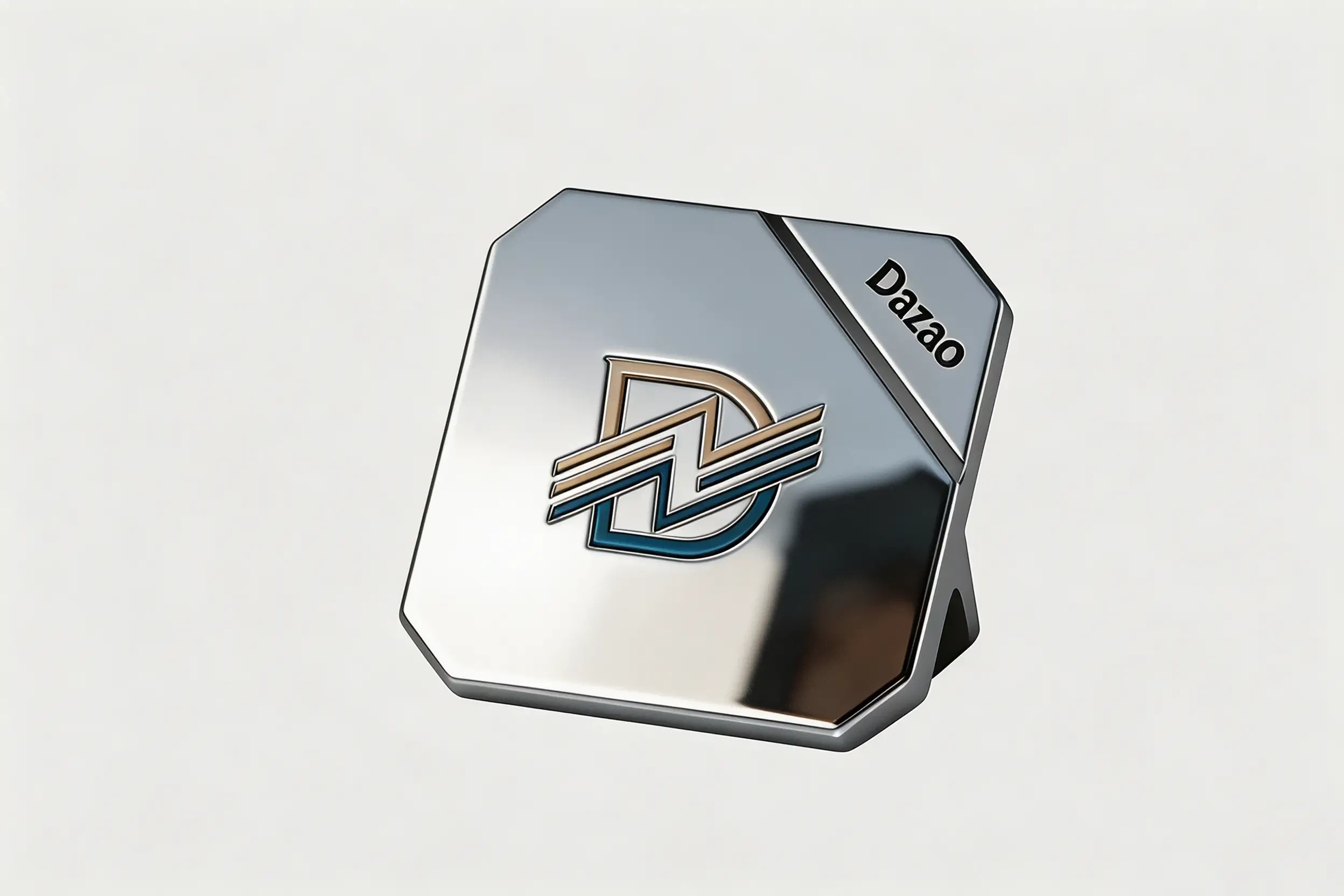
Polishing
high gloss finish, reducing surface roughness and enhancing the aesthetic appeal of metals.
5-Axis CNC Machining Capabilities
Our advanced 5-axis CNC machining capabilities allow us to machine intricate parts from a single setup, significantly reducing the risk of errors and enhancing overall dimensional stability. Whether you need rapid prototypes or high-volume production, we adhere to strict quality standards to deliver parts that meet the tightest industry requirements.
| Dazao | Description | |||
| Maximum Part Size | Up to 3000 x 1200 x 600 mm (capable of handling large-scale industrial components). | |||
| Minimum Part Size | 5 x 5 x 5 mm (ideal for micro-machining and delicate medical or electronic parts). | |||
| General Tolerances | Capable of achieving ultra-high precision down to ±0.005 mm, depending on the material and part geometry. | |||
| Lead Time | Flexible and fast. Standard rapid prototyping can be completed in as little as 3-5 days, while complex, high-volume orders are scheduled efficiently to meet your deadlines. | |||
| aterial Versatility | We expertly machine over 50 production-grade materials, including Aerospace Aluminum, Titanium, Stainless Steel, Brass, PEEK, and POM. | |||
5 Axis CNC Machining Design Guidelines
To ensure maximum cost-efficiency, structural integrity, and flawless execution of your parts, Dazao's engineering team recommends adhering to the following design guidelines for 5-axis CNC machining:
| Dazao | Recommended Size | |||
| Minimum Feature Size | To maintain strength and prevent material warping during machining, keep the minimum width or depth of features to at least 0.5 mm. | |||
| Hole Diameters |
Standard drilled holes should range from 1 mm to 40 mm. For holes requiring extreme precision, additional reaming may be necessary. |
|||
| Threads and Tapped Holes | We support a wide variety of threads ranging from M2 to M24. Always ensure there is adequate relief at the bottom of blind tapped holes to prevent tool breakage. | |||
| Shaft Diameters | For optimal tool accessibility and torque management, design shaft diameters between 2 mm and 300 mm. | |||
| Engraving and Text | If your part requires engraved logos or part numbers, maintain a minimum text height of 1.5 mm and a depth of 0.5 mm to ensure clarity after post-processing. | |||
Dazao 5-axis Machine Shop
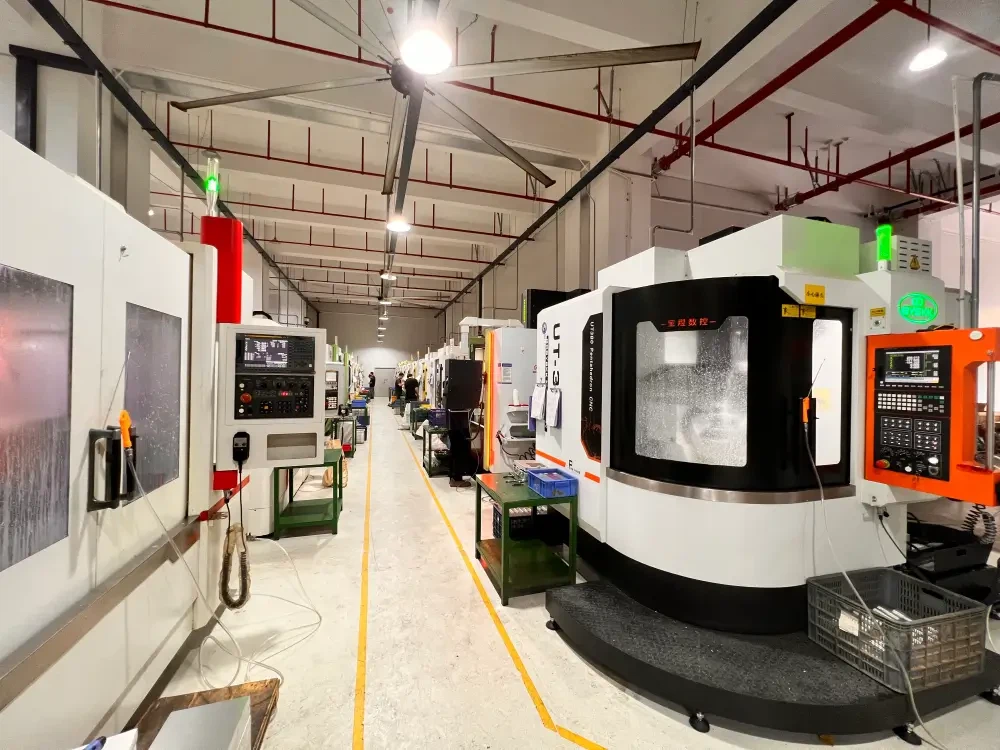
Welcome to the core of our manufacturing excellence. The Dazao 5-axis Machine Shop is equipped with 6 advanced 5-axis CNC machining centers, fully capable of delivering both simultaneous 5-axis and 3+2 axis machining.
By utilizing these cutting-edge machines, we can approach complex workpieces from any angle in a single setup. This eliminates multiple manual fixture changes, significantly reducing cycle times and minimizing human error. Combined with our expert programmers, Dazao guarantees higher precision, impeccable surface finishes, and the robust capacity to handle everything from custom prototypes to high-volume production seamlessly.
100+
Sets of Machine
105+
Countries Shipped
10,000+
Customers Served
Why Choose Dazao
Investing in Dazao's CNC machining services means partnering with a team that values your success as much as you do.
Here is why global businesses trust us to manufacture their critical components:

Uncompromising Quality & Precisio
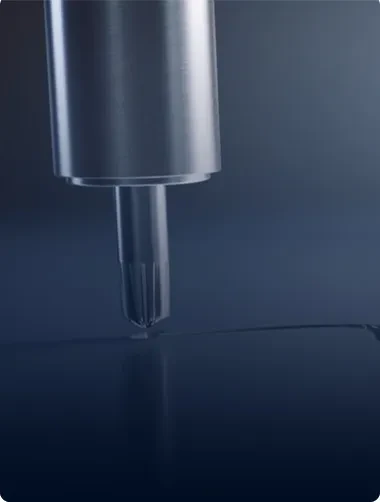
We don't just cut metal and plastic; we engineer perfection. With rigorous in-house quality control and advanced inspection equipment, we guarantee that every part leaving our factory matches your CAD files perfectly, with tolerances as tight as ±0.005mm.
Accelerated Lead Times
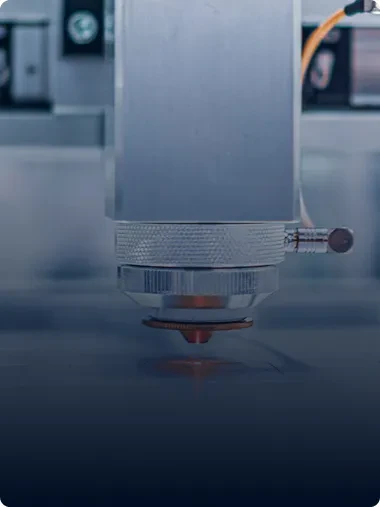
We know that time-to-market is everything. Thanks to our streamlined manufacturing processes, 24/7 machine shop operations, and robust supply chain, Dazao consistently delivers fast turnaround times without sacrificing an ounce of quality.
Dedicated Engineering & DFM Support
You are never alone in your project. Our seasoned DFM (Design for Manufacturing) experts review every design before production begins. We offer actionable insights to optimize your design, reduce unnecessary machining time, and significantly lower your overall costs.

True One-Stop Manufacturing
From raw material selection to premium surface finishes (such as hard anodizing, polishing, and powder coating), Dazao provides a complete, hassle-free manufacturing ecosystem tailored to your exact needs.
Application Cases of
5 Axis CNC Machining Services

High-RPM Power Transmission Components
For high-speed drivetrain applications, maintaining absolute concentricity between internal splines and external mating surfaces is mandatory. Traditional 3-axis or 4-axis processes require secondary fixturing, which inevitably introduces datum shift errors.
By utilizing simultaneous 5-axis interpolation, we execute single-setup machining (one-hit machining) for complex parts like our
custom 5-axis CNC motorcycle clutch hubs.

High-Efficiency Marine Propulsion Components
For high-speed marine applications, exact blade pitch and hydrodynamic balance are mandatory. Traditional multi-setup processes introduce indexing errors, causing cavitation and vibration. Utilizing simultaneous 5-axis interpolation allows single-setup machining for complex blade profiles. This entirely eliminates datum shift when manufacturing our custom 5-axis CNC aluminum boat props, guaranteeing optimal thrust, zero runout, and maximum propulsion efficiency.
Simultaneous 5-Axis vs. 3+2 Axis Machining
Not all 5-axis machining is the same. Depending on your part's complexity, we utilize either Simultaneous 5-Axis or 3+2 (Positional) 5-Axis to optimize for both cost and precision.
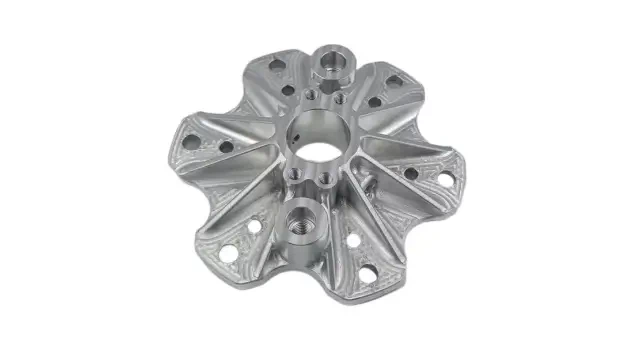
Simultaneous 5-Axis
Continuous movement across all 5 axes for organic shapes.
Ideal for impellers, turbine blades, and complex medical implants.
Superior tool life due to constant tool-to-part contact angles.
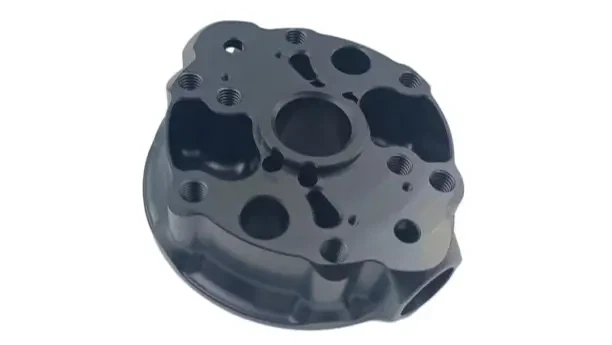
3+2 Positional
The machine positions the part, then locks it for 3-axis cutting.
Allows access to all sides of a part in a single setup.
More cost-effective for prismatic parts with features on multiple faces.
Advantages of 5 Axis CNC Machining
By machining your most complex parts in a single setup, 5-axis technology fundamentally eliminates setup bottlenecks, reduces tolerance stacking, and significantly accelerates your time-to-market.
Setup Efficiency: Traditional 3-axis machining often requires multiple custom fixtures to reach different sides of a part. With 5-axis capabilities, we can machine five sides of a workpiece in a single setup. This drastically cuts down fixture prep time and eliminates wasted manual handling on the shop floor.
Elimination of Tolerance Stacking: Every time an operator unclamps and reclamps a part for a new operation, alignment errors occur. By keeping the part locked in a single fixture for the entire process, 5-axis machining eliminates "tolerance stacking," allowing us to hit incredibly tight geometric true-position tolerances effortlessly.
Unlocking Complex Geometries: Features like deep pockets, intricate undercuts, or sweeping organic surfaces (like impellers) are a nightmare for standard machines. Simultaneous 5-axis movement lets the cutting tool tilt and access these difficult angles without collision, turning impossible designs into machinable reality.
Shorter Tools, Less Chatter: Because the machine head can tilt extremely close to the workpiece, we can use shorter, thicker cutting tools. Shorter tools are more rigid, which drastically reduces tool deflection and chatter (vibration). This means we can push feed rates higher while extending tool life.
Superior Surface Finishes: In 5-axis contouring, the cutting tool maintains continuous, optimal contact with the material surface. This consistent cutting angle and reduced vibration result in excellent surface finish after machine processing, typically eliminating the need for expensive hand polishing.
Faster Overall Cycle Times: Fewer setups, optimized tool paths, and the ability to use shorter, faster tools mean the total machining cycle time drops significantly. This translates directly to a faster transition from a raw block of metal to a finished, inspected part, slashing your overall lead time.
Applications of 5 Axis CNC Machining
Serving sectors that demand ultra-tight tolerances and exotic materials, we provide reliable 5-axis manufacturing solutions for aerospace, medical, automotive, and advanced robotics.
Aerospace: We machine mission-critical flight components, such as turbine blades and lightweight structural brackets, from tough alloys like titanium. The continuous 5-axis movement easily handles the complex aerodynamic curves and strict weight-saving pockets these parts demand.
Medical & Orthopedics: 5-axis machining is essential for producing bone implants (like knee replacements) and complex surgical instruments with organic, anatomical shapes. It allows us to achieve the flawless surface finishes and tight tolerances required for biocompatible, life-saving tools.
Motorsports & Automotive: High-performance racing teams rely on us to machine complex engine components, custom pistons, and lightweight suspension knuckles. Single-setup machining guarantees the exact true-position tolerances needed for parts operating under extreme stress and heat.
Robotics & Automation: Building agile robotic arms requires intricate joint linkages, end-effectors, and compact motor housings. 5-axis technology allows us to easily hollow out complex pockets and machine compound angles, heavily reducing the part's weight without sacrificing structural rigidity.
Energy & Power Generation: From fluid control valves in power plants to rugged downhole drilling tools used in the oil and gas industry. We use rigid 5-axis setups to efficiently bore deep holes and machine precise sealing surfaces in heavy-duty, corrosion-resistant metals.
Advanced Optics & Electronics: We produce intricate laser mounts, optical sensor housings, and compact heat sinks with incredibly fine details. 5-axis positional machining ensures perfect optical-grade alignment and eliminates the tiny setup variations that could ruin sensitive electronic performance.
FAQ
Is 5-axis machining always more expensive than traditional 3-axis?
Does moving all 5 axes at once guarantee the tightest possible tolerances?
What is the difference between simultaneous 5-axis and 3+2 axis machining?
Do I need to design extra material for 5-axis workholding?
Can 5-axis machining create perfectly sharp internal corners?
Does simultaneous 5-axis surfacing leave a perfectly smooth, mirror-like finish?