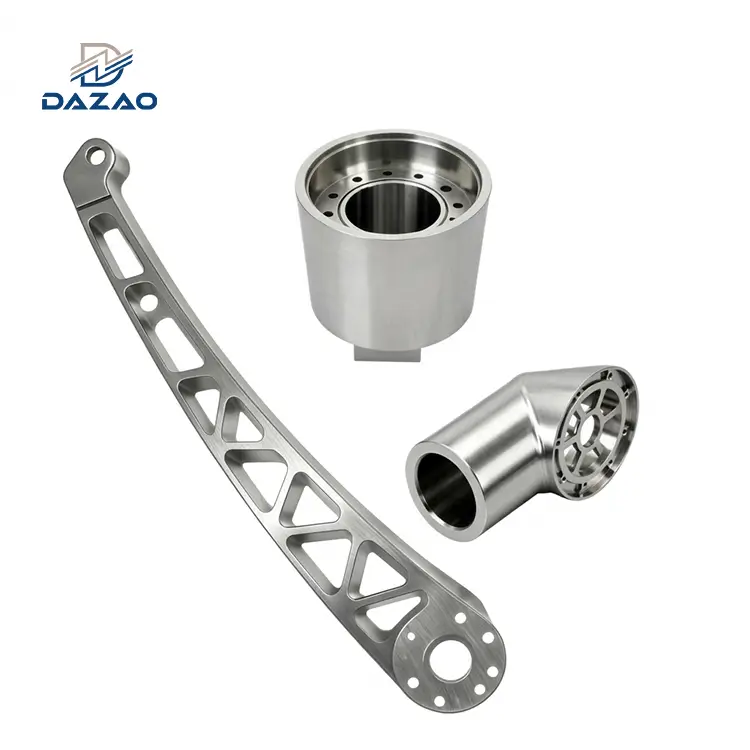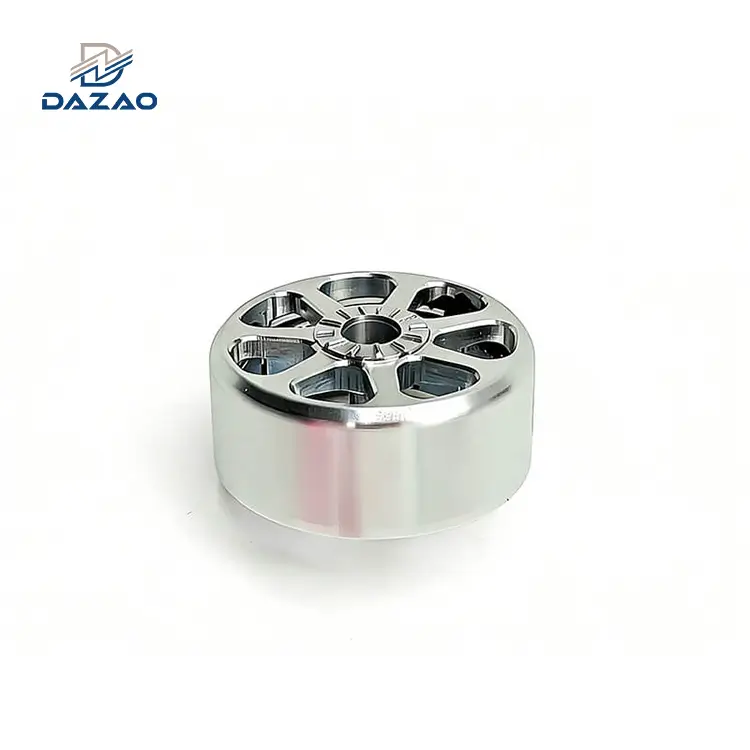

Engineering buyers sourcing medical CNC machining China services face extreme compliance variables that go beyond standard mechanical tolerances. Components pass initial coordinate measuring machine (CMM) inspections but fail subsequent biological safety audits or field sterilization tests. Sourcing managers in the medical sector are not acquiring a mere physical geometry: they are purchasing a verified and auditable safety protocol. Dazao Machinery structures every manufacturing phase around absolute dimensional predictability and microscopic cleanliness.
Mitigating Hidden Risks in Surgical Instrument Manufacturing
A review of Reddit engineering threads reveals specific pain points that standard job shops often overlook. One major complaint from procurement heads involves parts that appear clean but emit a faint chemical odor when autoclaved, indicating trapped machine oils. Another recurring issue is the lack of true document synchronization where material certs do not map back to specific machining stations.
Dazao addresses these gaps by implementing a zero-residue manufacturing flow. For surgical instrument manufacturing, we recognize that visual cleanliness is insufficient. Components must be free of hydrocarbons at a molecular level to ensure biocompatibility during invasive procedures.

Three Engineering Blind Spots Defining Medical Component Success
1. Eliminating Acid Entrapment in Threaded Blind Holes
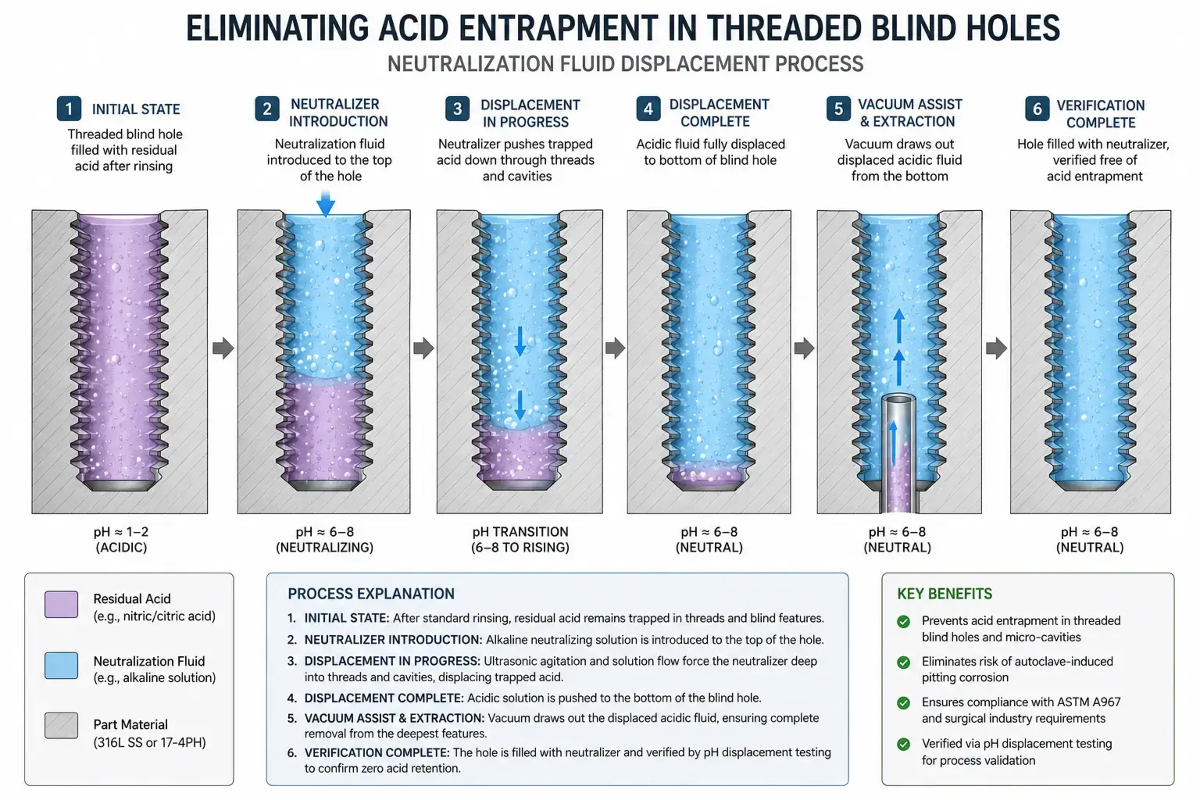
Passivation processes for 316L stainless steel or 17-4PH surgical tools typically utilize nitric or citric acid formulations per ASTM A967. Standard facility rinsing protocols often leave trapped acid within threaded micro-cavities or deep blind holes. When hospitals subject these instruments to 134 degree Celsius autoclave sterilization, the trapped acids vaporize and cause localized pitting corrosion.
Dazao employs multi-stage ultrasonic neutralization combined with vacuum-assisted fluid displacement. This engineering control physically forces the neutralizing solution into the bottom of every blind hole, verifying zero acid retention through specific pH displacement testing.
2. Stabilizing PEEK and UHMWPE Through Thermal Stress Cycles
Machining medical polymers like PEEK introduces severe internal thermal stress. High-speed milling generates localized heat at the tool tip. Standard shops ignore this because the parts measure correctly immediately after machining. However, the polymer undergoes dimensional drift weeks after delivery as the molecular chains relax. A part machined to a ±0.01mm tolerance may warp out of specification by the time it reaches the assembly line.
Dazao specifies strict pre-machining and post-machining annealing thermal cycles. By heating the polymer blanks to exact transition temperatures and cooling them at a controlled rate, internal stresses are neutralized. This guarantees dimensional stability over the entire product shelf life.
3. Surface Roughness Control: Why Ra Alone Cannot Prevent Bacterial Adhesion
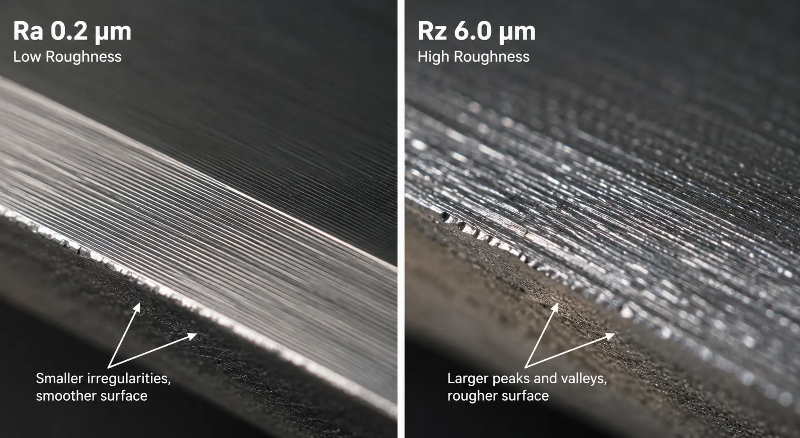
Relying solely on a specified Ra 0.8 surface finish creates high biological risks. Ra calculates the average surface roughness, but Rz measures the absolute maximum peak-to-valley depth. A machined surface can achieve an acceptable Ra average while hiding deep microscopic valleys (Rz) that shelter biofilms and resist chemical sterilization agents.
|
Application Type |
Acceptable Ra Limit |
Acceptable Rz Limit |
Machining Control Method |
|
External Surgical Handle |
Ra 0.8 μm |
Rz 3.2 μm |
Bead blast and passivation |
|
Tissue-Contacting Jaw |
Ra 0.4 μm |
Rz 1.6 μm |
Precision grinding |
|
Blood-Contacting Implant |
Ra 0.2 μm |
Rz 0.8 μm |
High-speed lapping |
Ensuring 100% Traceability for ISO 13485 Parts
Producing compliant ISO 13485 parts demands a closed-loop data architecture. Reddit users often vent about suppliers providing generic material certs that cannot be traced to the specific billet. Dazao batch management logic tracks variables beyond the material certificate.
Our system records active tool wear life, cutting fluid concentration logs, and real-time operator station data for every production batch.
Physical segregation is equally enforced. Titanium alloys like Ti-6Al-4V ELI undergo processing in isolated zones to prevent cross-contamination with industrial-grade aluminum or carbon steels. This prevents microscopic iron particles from embedding in titanium surfaces, which would otherwise cause implant rejection.
Extreme Surface Requirements: Zero Hydrocarbon Eradication
Standard industrial parts washers recycle cleaning fluids, which leads to cross-contamination. Dazao eliminates this risk by operating fully independent medical washing lines. These isolated lines only process medical-grade materials using virgin cleaning agents.
To verify absolute zero oil residue, quality control engineers utilize water break testing per ASTM F22. If any hydrocarbon film remains, the water film will separate. We supplement this with ultraviolet fluorescence inspection to ensure the total eradication of synthetic cutting fluids prior to final packaging.

Procurement Decision Logic: Why ISO 13485 Premiums Are Necessary?
Low-cost bids for medical CNC machining China often hide massive regulatory liabilities. Sourcing managers must calculate the financial impact of a clinical field failure or an FDA recall against the initial unit price savings.
|
Supplier Profile |
Traceability Level |
Typical Cost Index |
Risk of Regulatory Recall |
|
Standard Job Shop |
Material certificate only |
0.7x |
High |
|
ISO 9001 Facility |
Basic batch routing |
0.85x |
Medium |
|
Dazao ISO 13485 Facility |
Full tool, coolant, and material log |
1.0x |
Zero to Low |
Dazao guarantees that all delivery documentation, material certificates, and processing logs match the stringent audit requirements enforced by global regulatory bodies.

Frequently Asked Questions
01.How do you remove invisible coolant odors from finished medical parts?
02.Why do my PEEK surgical components warp after two weeks of storage?
03.Can you provide raw material MTRs linked to specific part serial numbers?
04.How does Dazao verify that passivation acid is fully removed from blind holes?
05.What is the difference between your medical workflow and standard ISO 9001?
06.How do you prevent bacterial traps on machined surfaces with complex textures?