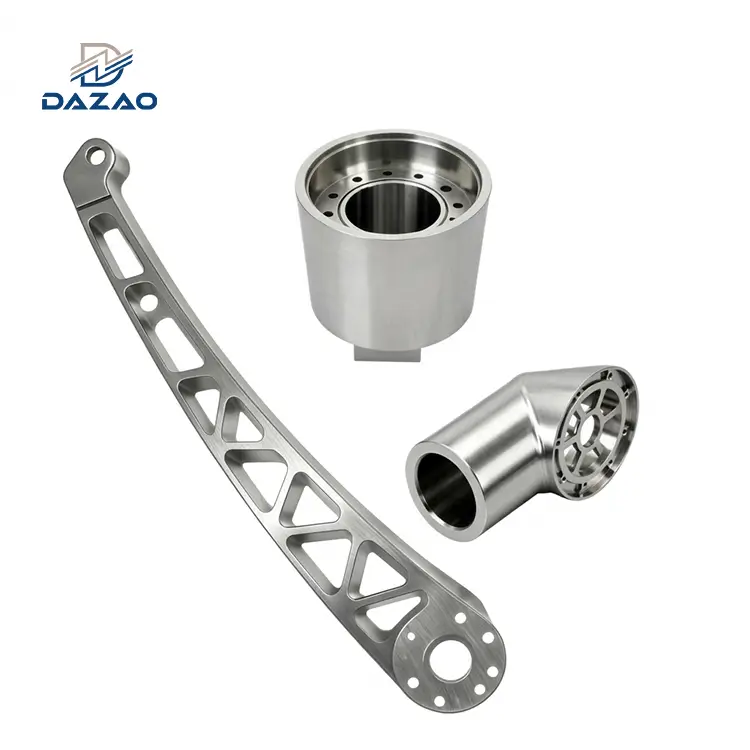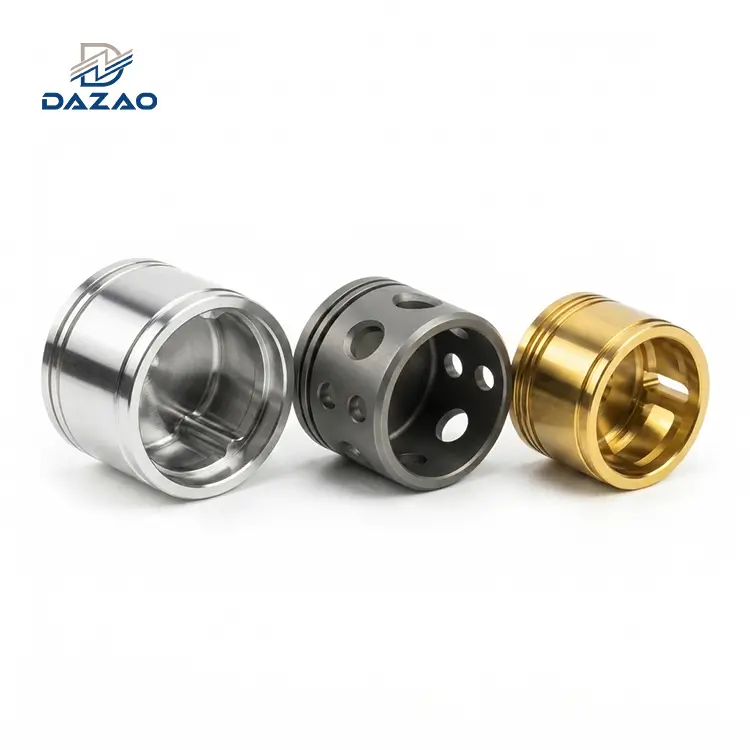
The functions of sheet metal processing mainly include the following aspects:
Fixation, support and protection: Sheet metal structural products serve as supporting frames to fix, support and protect various functional components installed therein. Depending on the application environment, they have the characteristics of connectivity, shock resistance, heat dissipation, corrosion resistance, and anti-interference.
Reduce the number of stamping times and improve efficiency: In the processing of automotive sheet metal parts, the number of stamping times can be reduced and the efficiency of the production line can be improved by optimizing the design of the processing device. For example, a processing device for automotive sheet metal stamping parts improves the efficiency of the production line by reducing the number of stamping times.
Multiple processing technologies: Sheet metal processing includes traditional methods and process parameters such as cutting and blanking, punching, bending and pressing, as well as various cold stamping die structures and process parameters, new stamping technologies and new processes. These processes include shearing, stamping, bending, and welding.
Wide application: Sheet metal processing is widely used in various industrial fields due to its flexibility and wide range of applications. The main application areas include machinery and equipment manufacturing, automobile industry, electronic and electrical industry, and construction industry.
Future development trend: With the continuous advancement of science and technology and the rapid development of industry, the sheet metal processing industry will gradually realize intelligent manufacturing. By introducing advanced automation equipment and intelligent management systems, production efficiency and product quality can be improved.