
Why Propeller Lifespan Matters?
The small component with a massive impact on your journey.

Drone propellers play a critical role in converting motor rotation into thrust. Any wear, imbalance, or structural issue can directly affect flight stability, endurance, and motor load.
For fleets or drones used in industrial operations, extending propeller lifespan reduces replacement frequency, lowers maintenance expenses, and improves operational efficiency and safety.
Understanding Drone Propeller Basics
Common propeller materials include plastic, carbon fiber, and nylon composites:

Plastic
Lightweight but prone to wear.

Carbon fiber
High strength and stability.

Nylon composite
Balanced durability and cost.
The diameter, pitch, and blade count determine thrust output and power consumption.
Vibrations, noise, or motor overheating during flight often mean there is an imbalance or cracks on the propeller. This requires immediate inspection or replacement.
Main Factors That Shorten Propeller Lifespan
Environmental Exposure
Continuous exposure to strong UV rays, salt spray, dust, or high humidity accelerates material aging.
Mechanical Damage
Minor collisions, pressure during transport, or overly tight screws can cause hidden internal stress and deformation.
Incorrect Installation
Mounting errors (CW/CCW direction) or lack of dynamic balancing cause vibration and accelerated wear.
Standardized assembly and inspection procedures are essential, especially for fleet operations.
Practical Maintenance Methods
Regular Cleaning and Inspection
Use a soft cloth or low-pressure air to remove dust. Avoid corrosive cleaners. Inspect the root and hub for fatigue cracks.
Proper Storage Conditions
Store at 15–25°C with 40–60% humidity, using anti-static packaging or foam separators to prevent deformation.
Dynamic Balancing
Test and correct balance using a dynamic balancer. Properly balanced blades minimize vibration and extend motor bearing life.
Durability Comparison of Different Propeller Materials
Ensure material consistency and QC certification to maintain stable performance across production batches.
|
Material Type |
Durability |
Weight |
Cost |
Typical Application |
|
Polycarbonate (PC) |
Medium |
Light |
Low |
Consumer drones |
|
Carbon Fiber |
High |
light |
Medium |
Professional drones |
|
Nylon Composite |
high |
Medium |
Medium |
Industrial drones |
|
Aluminum Core + Plastic Tips (Hybrid) |
high |
Slightly heavy |
High |
Custom heavy-duty drones |
Advanced Tips to Improve Propeller Efficiency
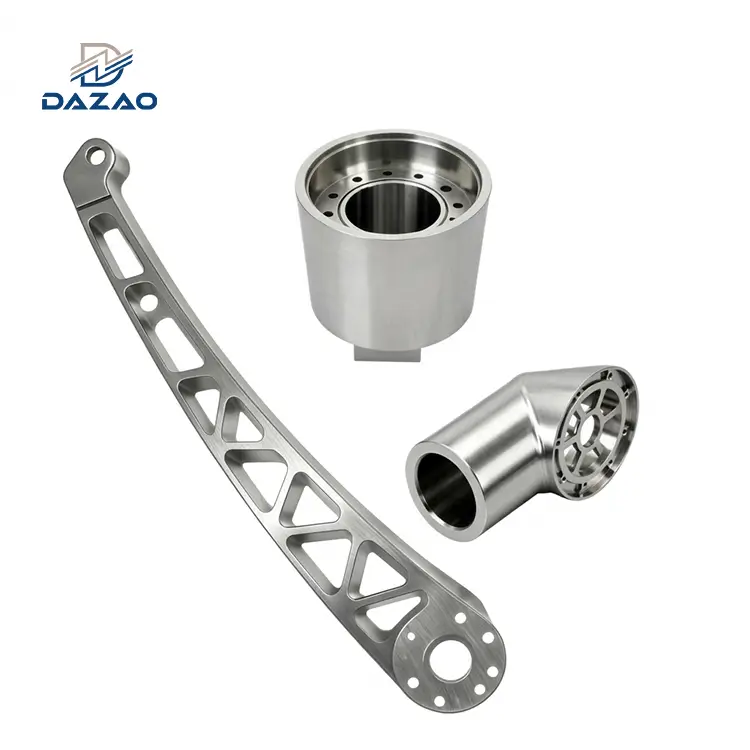
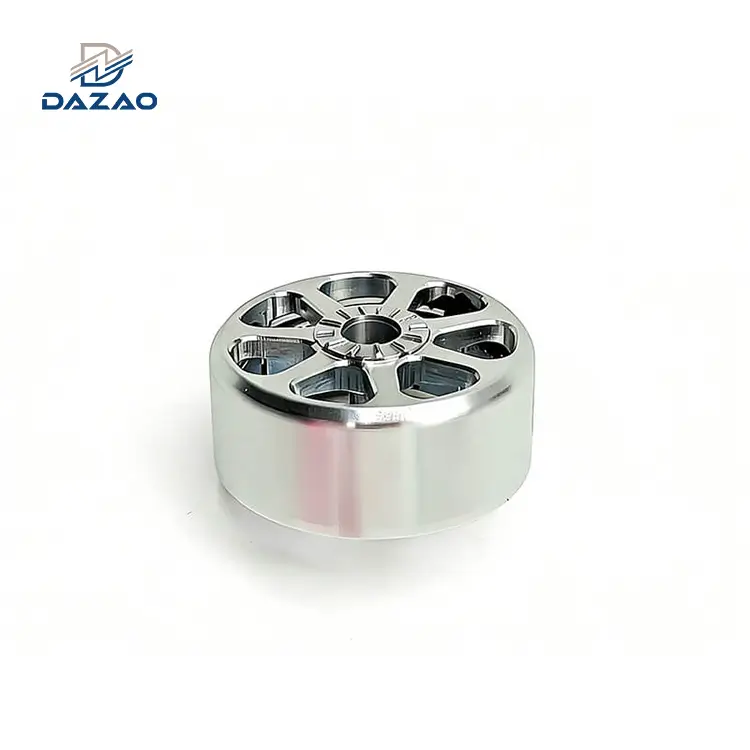
Our team specializes in custom performance solutions, combining CNC machining services and OEM drone parts to deliver structural improvements and precision optimizations.
Low-pitch designs help reduce power consumption and noise.
Optimizing thrust-to-weight ratio minimizes motor stress.
Toroidal or aerodynamically optimized blades lower air resistance and wear.
PID fine-tuning in the flight control system reduces vibration caused by propeller load changes.
When to Replace Your Propellers?
If you notice decreased thrust, flight vibration, or unusual noise, inspect the propellers immediately.
Generally, they should be checked or replaced every 50–100 flight hours.
For enterprise fleets, implementing a standardized replacement schedule helps reduce risks and maintenance costs.
Products Description
For OEM bulk orders, focus on the following key aspects.
Through precision CNC machining, we can customize propeller profiles, tolerances, and surface finishes to meet specific drone application requirements.
Material and mold consistency to ensure uniform quality.
Motor compatibility to avoid energy loss.
Supplier quality control and after-sales support.
Common Misconceptions About Propeller Lifespan
Lorem ipsum dolor sit amet consectetur adipisicing elit.
"Carbon fiber propellers never break."
In reality, they have high rigidity but low toughness and can shatter upon impact.
"A slightly bent blade doesn't matter."
Even small deformations cause motor imbalance and energy loss.
"Propeller guards offer full protection."
They only reduce collision risk-not material fatigue.
Conclusion
The key to making drone propellers last longer is to choose the right materials. It also involves doing proper maintenance and ensuring everything fits well.
Furthermore, it is equally important to choose an expert and reliable manufacturer like Dazao for precise and high-quality propellers. We not only provide cnc machining service, but also its alternatives.
If you need strong, precise, and customizable drone propellers, our engineering team can help. We offer OEM design and CNC machining services. This will help you find the right balance between performance and cost.
FAQs
Can you customize the propeller size and design for our drone motors?
Yes. We provide OEM & CNC machining customization based on your motor parameters, load requirements, and application scenarios. Blade diameter, pitch angle, hub size, and material can all be tailored to match your power system and optimize flight performance.
How do you ensure propeller quality and consistency across batches?
Each batch undergoes dynamic balancing tests, tensile strength testing, and visual surface inspection. We follow strict ISO 9001 quality management procedures and provide QC or COC reports with every shipment to ensure material consistency and dimensional accuracy.
What is your minimum order quantity (MOQ) and lead time?
For standard propellers, the MOQ is 100–200 pieces, depending on the model.
For customized OEM designs, we typically deliver within 15–25 working days after sample approval.
We also support small-batch prototyping for R&D or testing purposes.
Do you provide OEM labeling and custom packaging?
Yes. We offer private labeling, custom packaging, and barcode printing upon request.
Our team can also follow your company's packaging standard to ensure seamless integration with your existing supply chain.
How do you handle quality issues or after-sales service?
If any defect or quality issue occurs, we offer replacement or compensation after verification.
Our engineering support team will assist with installation guidance, vibration diagnosis, and balancing calibration if needed.