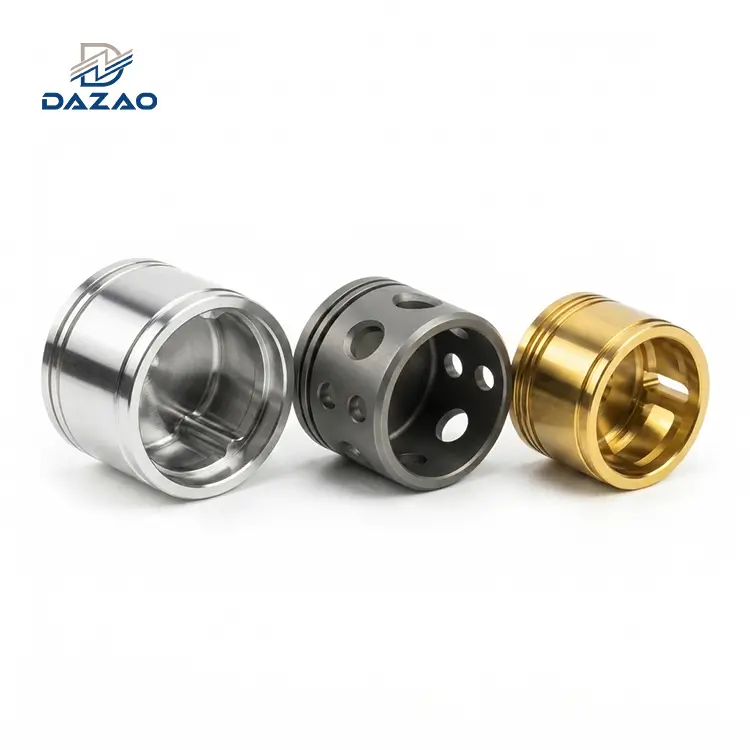

In 2018, Xiamen Dazao Machinery accepted a high-volume order for black Type II anodized components destined for a defense contractor. On the surface, the parts looked flawless. They passed visual inspection with a deep, consistent obsidian finish. However, during a 336-hour salt spray test, the batch failed at the 120-hour mark. We discovered that microscopic structural voids, invisible to the naked eye, allowed corrosive agents to penetrate the oxide layer. This single failure cost us fifty thousand dollars in material and rework.
That experience transformed our approach to surface finishing. In the world of precision manufacturing, aluminum anodizing defects are rarely just about aesthetics. They are indicators of deeper process failures in the electrochemical cycle. This guide provides a technical breakdown of common defects, their root causes, and the advanced engineering strategies we use at Dazao to ensure 100 percent compliance with ISO9001 and IATF16949 standards.

Identifying Common Aluminum Anodizing Defects and Root Causes
Most procurement managers focus on color, but professional engineers look at the integrity of the anodic coating. Here are the issues frequently discussed in technical forums, decoded through a manufacturing lens.
Color Matching Anodized Parts: The Alloy Variabl
Achieving perfect consistency when color matching anodized parts is one of the most difficult challenges in metal finishing. Color is not a pigment applied to the surface; it is a dye trapped within the porous structure of the aluminum oxide.
· Material Influence: An Al6061-T6 part will never perfectly match an Al7075 part, even if they are in the same anodizing tank. The higher zinc content in 7075 creates a darker, more yellowish base oxide, which shifts the final dye hue.
· The Delta E Reality: We advise clients that expecting zero variance is unrealistic. We define acceptable limits using Delta E measurements or physical limit samples.
White Spots and Mottling: Contamination vs. Porosity
Uneven anodizing often manifests as white spots or cloudy mottling.
· Etching Over-exposure: If parts stay too long in the caustic soda etch tank, the chemistry begins to attack the grain boundaries, revealing internal porosity.
· Rinse Water Contamination: Residual chlorides in rinse water can lead to localized pitting. At Dazao, we utilize deionized water systems to ensure bath purity levels stay within 50 microsiemens.

Critical Engineering Blind Spots Leading to Uneven Anodizing
Beyond the basic defects, there are three critical issues that usually go undetected until the assembly phase or during field use.
The Jigging Tension Trap: Micro-Cracking
While most suppliers worry about rack marks, we focus on stress corrosion. To ensure electrical conductivity, parts must be clamped firmly. However, excessive tension on thin-walled sections or near threaded holes creates micro-cracks in the brittle anodic layer. These cracks are invisible initially but expand under thermal cycles, leading to premature part failure in aerospace and robotics applications.
The Silicon Ghost of Coolant
This is a hidden defect born in the CNC machine, not the anodizing tank. If a machine shop uses high-silicon or sulfur-based cutting fluids, these chemicals can become embedded in the aluminum surface. Standard degreasing and etching often fail to remove these residues. After the sealing process, these ghosts appear as faint, dark shadows under the oxide layer. Dazao prevents this by using specific synthetic coolants that are 100 percent compatible with subsequent electrochemical processes.
Grain Direction Paradox
Light refraction plays a massive role in perceived color. If a batch of aluminum plates is machined without regard to the rolling direction of the raw material, the parts will look different under LED lighting even if the coating thickness is identical. This is a management failure, not a chemical one. We mark the grain direction of raw stock during the saw-cutting phase to ensure consistent light refraction across all finished assemblies.
Quality Management Systems at Dazao Machinery
Our IATF16949 certified facility operates on a preventative model rather than a reactive one. We have integrated several fail-safes into our production line to eliminate uneven anodizing.
Pre-Production DFM Audit
Every 3D model is screened for Acid Traps. If we detect blind holes or tight recesses that could trap sulfuric acid, we request the addition of drainage holes or suggest a change in the jigging orientation before the first chip is cut.
Limit Sample Protocols
We do not rely on digital photos for color approval. Dazao provides physical limit samples: one showing the darkest acceptable shade and one showing the lightest. This establishes a clear quality boundary for the QC team and the customer.
Real-Time Bath Monitoring
The concentration of aluminum ions in the anodizing tank must be strictly controlled. If levels exceed 15 grams per liter, the oxide film becomes soft and porous. Our laboratory performs titration analysis every four hours to maintain the chemical balance required for Type III hardcoat specifications.

|
Defect Type |
Visual Symptom |
Root Engineering Cause |
Dazao Prevention Strategy |
|
Pitting |
Small craters or holes |
Chloride contamination or over-etching |
DI water rinsing & precise etch timing |
|
Crazing |
Fine spider-web cracks |
Thermal shock during sealing |
Controlled ramp-down of bath temperatures |
|
Fading |
Dye loss over time |
Poor seal quality or UV instability |
Cobalt acetate sealing & UV-stable dye selection |
|
Acid Bleed |
Discoloration near holes |
Trapped acid leaking after sealing |
DFM review for drainage holes & ultrasonic rinsing |
|
Burn Marks |
Blackened edges or tips |
Excessive current density (voltage) |
Customized rack design & current distribution analysis |
Strategic Advice for Procuring High Quality Anodized Components
When evaluating a supplier for high-precision components, ask these three technical questions to gauge their expertise:
1.How do you manage acid bleeding in complex geometries? If they do not mention ultrasonic rinsing or specific DFM design changes, they are likely to deliver parts with post-process corrosion.
2.What is your protocol for Al7075 vs Al6061 color variance? A knowledgeable supplier will warn you about the hue shift rather than promising a 100 percent match.
3.Can you provide a coating thickness report using eddy current testing? Visual inspection is insufficient. Reliable partners must use calibrated tools like the Fischer Isoscope to verify thickness in microns.
Conclusion
Perfect anodizing is not achieved by chance. It is the result of controlling dozens of variables, from the silicon content in the CNC coolant to the ion concentration in the final seal tank. At Xiamen Dazao Machinery, we view surface finishing as a critical engineering phase, not an afterthought. We do not promise zero defects, but we guarantee a transparent, engineering-led management system that identifies and mitigates risks before they reach your assembly line.
FAQs
01.Why are my black anodized parts turning purple or bronze after a few months?
02.The supplier claims the color variation is within industry standards, but it looks terrible. Who is right?
03.Can anodizing hide CNC machining marks or scratches?
04.Why is acid leaking from the screw holes long after the parts are installed?
05.Is it possible to re-anodize a part if the first attempt fails?
06.Why do parts from two different batches have different shades of the same color?