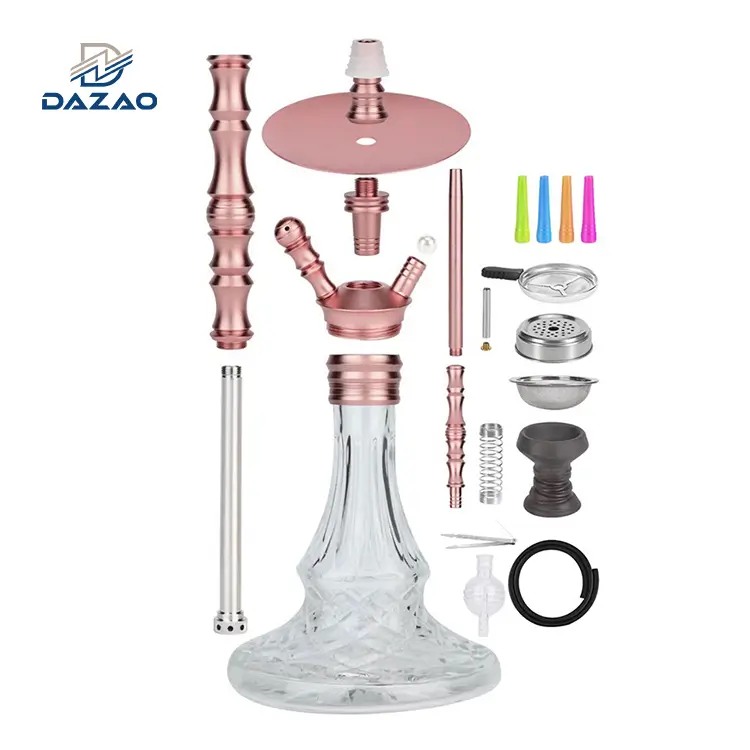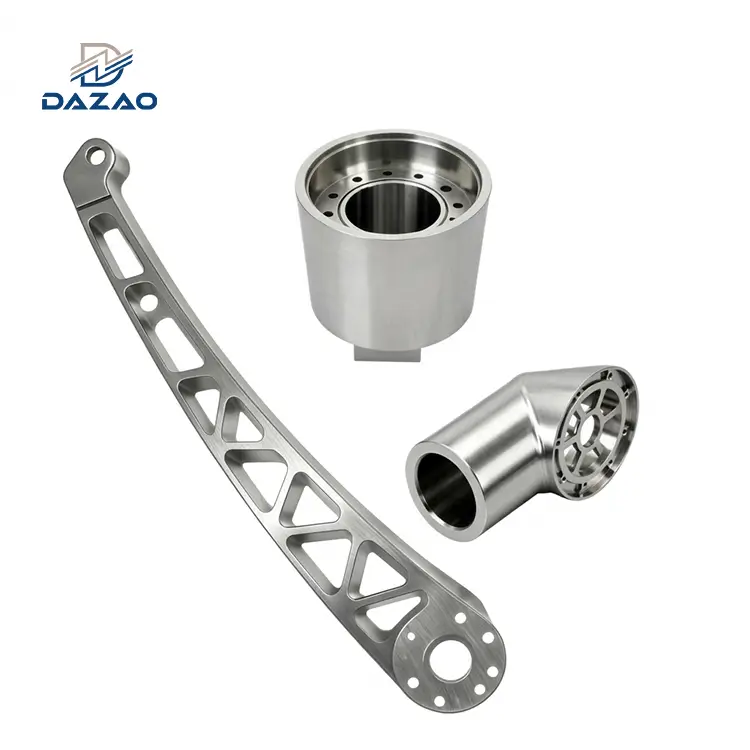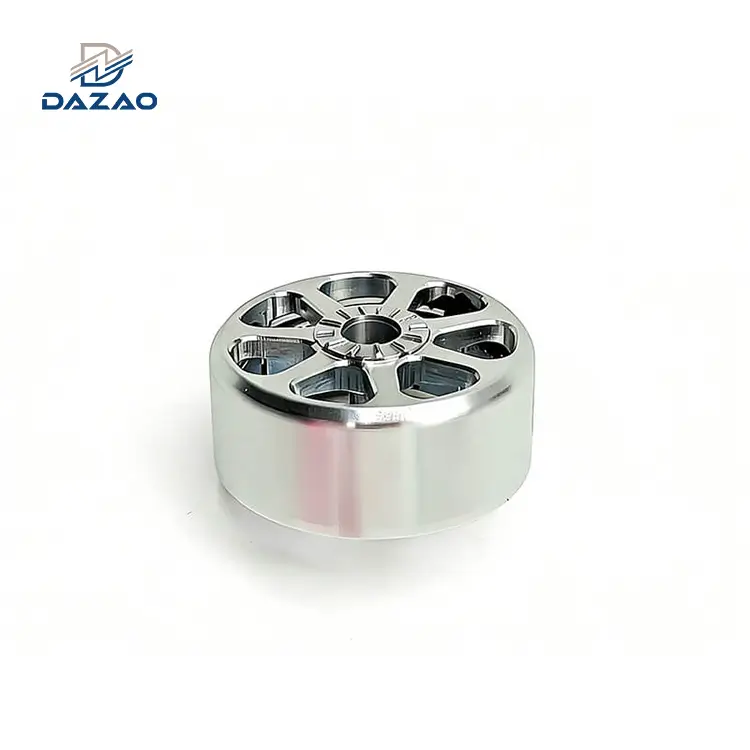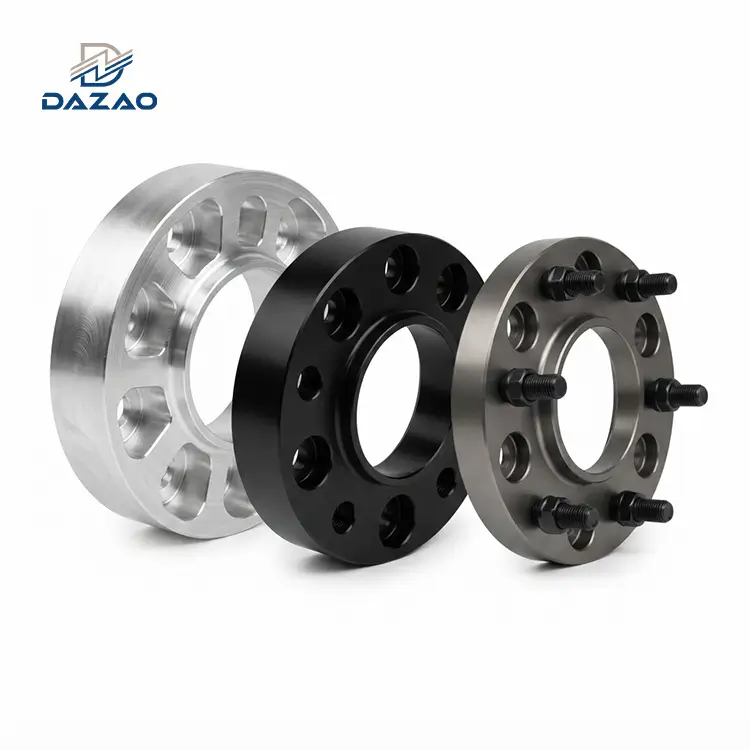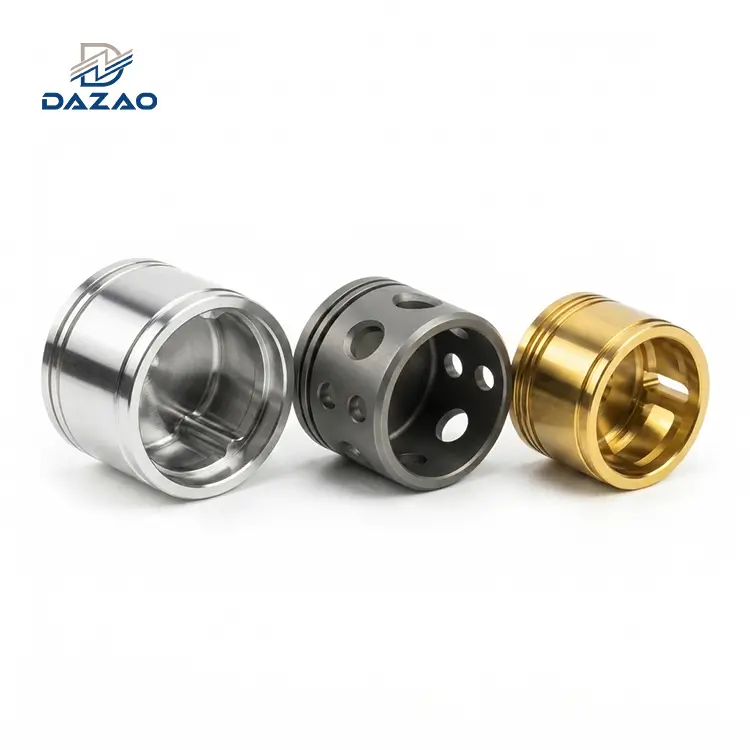

Low Alloy Steel Has Strong Processing Adaptability And High Cost-Effectiveness In The Metal Injection Molding (MIM) Process. Due To The Low Content Of Alloy Elements, It Has Good Fluidity During High-Temperature Sintering, Making It Easier To Fill The Fine Structure Of The Mold, And Is Suitable For Manufacturing Small Parts With Complex Shapes, Such As Gears Or Precision Tool Parts. The Shrinkage Rate Of Low Alloy Steel Is Relatively Stable, Which Reduces The Risk Of Deformation Or Defects After Molding, And Has Relatively Loose Requirements For Production Processes, Which Can Save Equipment Commissioning And Quality Control Costs.
Low Alloy Steel Can Effectively Retain Its Basic Performance Advantages Through The MIM Process. The Alloy Composition Is Simple, And After Uniform Powder Mixing And Densification Sintering, It Can Still Provide A Good Balance Of Strength And Toughness, Meeting The Needs Of Daily Industrial Parts For Wear Resistance And Impact Resistance. It Is Both Practical And Economical, And Has More Cost-Effective Advantages Than Traditional High Alloy Materials In The Fields Of Automotive Parts, Hardware Tools, etc.
Lead Time: < 15 Days
Tolerances: ±0.3% ~ ±0.5%
Max Part Size: Please Contact Us.
Available Low Alloy Steel at Dazao: Fe-Ni,FN02,FN08,4140,8620,100Cr6 etc .
Fe-Ni
Fe-Ni Alloy Has Good Fluidity In Metal Injection Molding (MIM) And Is Easy To Form Complex Precision Parts. After Sintering, It Has Both High Strength And Good Corrosion Resistance.
Fe-Ni Properties
|
Tensile Strength, Yield (MPa) |
Fatigue Strength (MPa) |
Elongation at Break (%) |
Hardness (Brinell) |
Density (g/cm³) |
|
250-600 |
200-300 |
30-45 |
130-180 |
8.1-8.2 |
FN02
It Has Excellent Fluidity And Formability, Is Suitable For Mass Production Of Precision And Complex Parts, And Can Maintain Stable Dimensions And Good Mechanical Properties After Sintering.
FN02 Properties
|
Tensile Strength, Yield (MPa) |
Fatigue Strength (MPa) |
Elongation at Break (%) |
Hardness (Brinell) |
Density (g/cm³) |
|
300-600 |
150-250 |
15-30 |
100-150 |
7.4-7.7 |
FN08
It Has Excellent Fluidity And Can Precisely Mold Complex Thin-Walled Parts. After Sintering, It Has A Dense Structure And Stable Mechanical Properties.
FN08 Properties
|
Tensile Strength, Yield (MPa) |
Fatigue Strength (MPa) |
Elongation at Break (%) |
Hardness (Brinell) |
Density (g/cm³) |
|
200-450 |
120-180 |
15-30 |
80-130 |
7.4-7.7 |
4140
It Has Good Fluidity And Is Suitable For Mass Production Of Complex Small Parts. After Sintering, It Has Both High Strength And Surface Accuracy, And The Cost Is Controllable.
4140 Properties
|
Tensile Strength, Yield (MPa) |
Fatigue Strength (MPa) |
Elongation at Break (%) |
Hardness (Brinell) |
Density (g/cm³) |
|
300-800 |
200-350 |
2-10 |
150-250 |
7.5-7.8 |
8620
It Has Good Fluidity And Sintering Stability, And Is Suitable For Precision Machining Of Complex Small Parts. After Heat Treatment, It Can Significantly Improve The Surface Hardness And Wear Resistance.
8620 Properties
|
Tensile Strength, Yield (MPa) |
Fatigue Strength (MPa) |
Elongation at Break (%) |
Hardness (Brinell) |
Density (g/cm³) |
|
300-650 |
200-300 |
5-15 |
150-200 |
7.6-7.9 |
100Cr6
It Is Easy To Process Into Complex Shapes, Has High Hardness And Good Wear Resistance After Sintering, And Is Suitable For Manufacturing Precision Parts.
100Cr6 Properties
|
Tensile Strength, Yield (MPa) |
Fatigue Strength (MPa) |
Elongation at Break (%) |
Hardness (Brinell) |
Density (g/cm³) |
|
600-1400 |
300-500 |
2-8 |
500-650 |
7.4-7.8 |