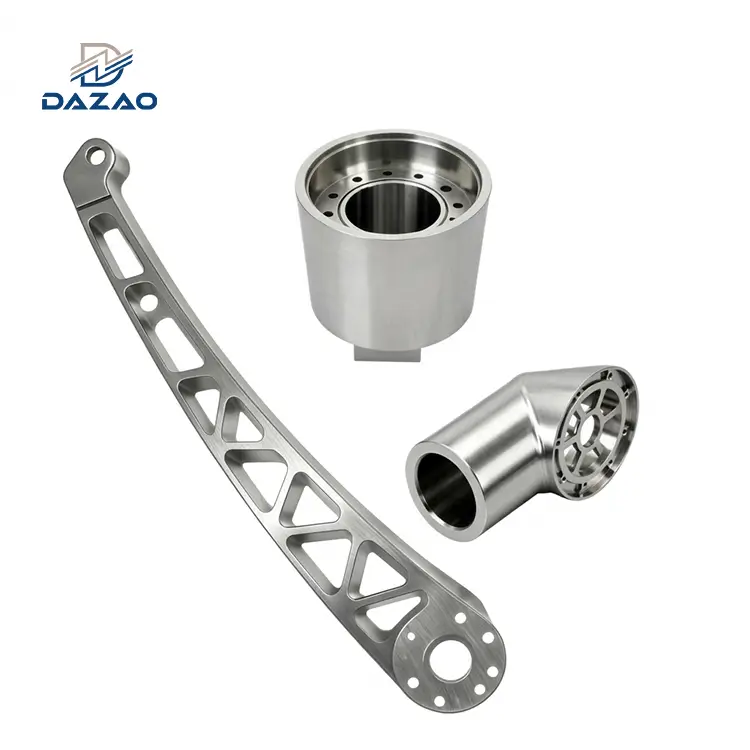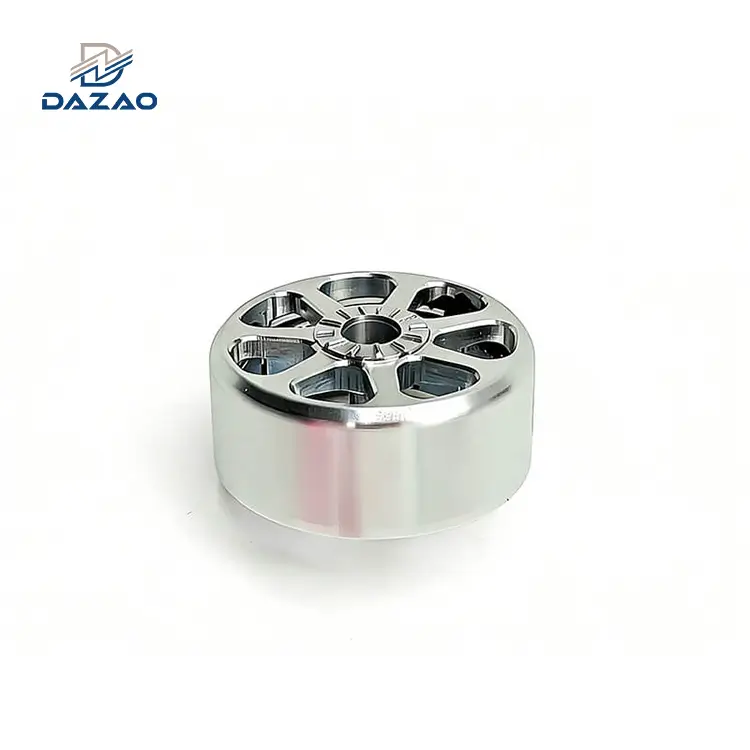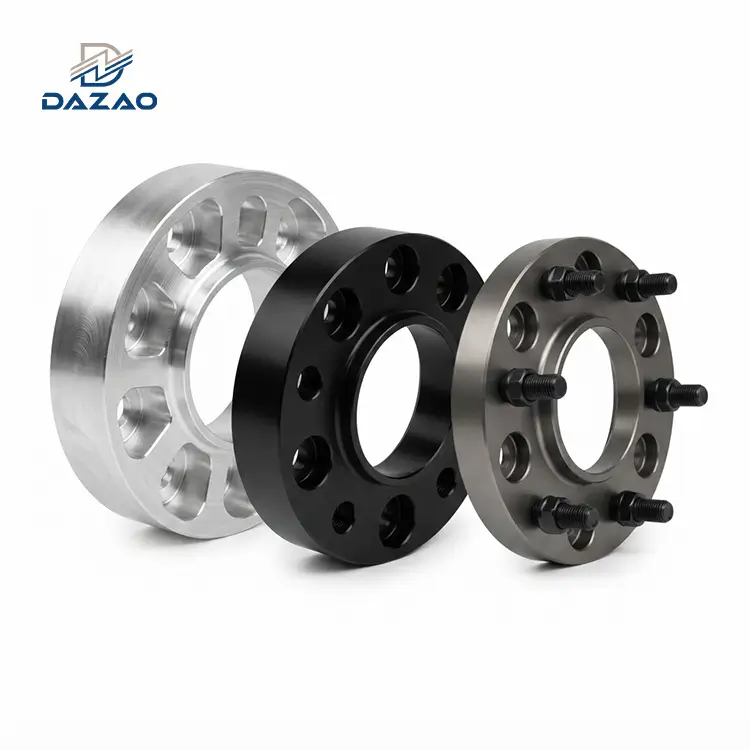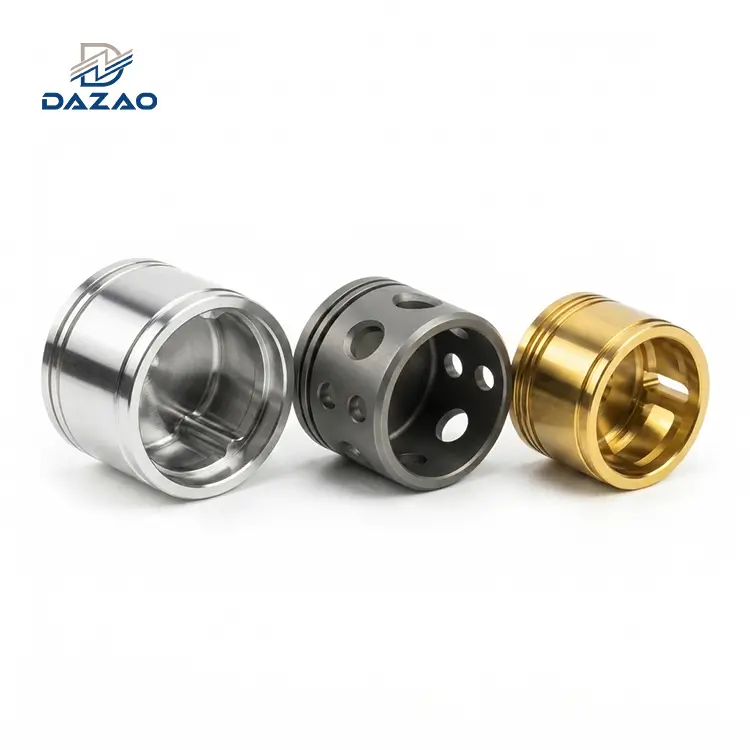

Procurement executives, project managers, and mechanical engineers face a shifting global supply chain in 2026. Understanding the CNC machining cost China 2026 landscape is mandatory for protecting hardware margins. Despite macro-economic realignments, China remains a high-efficiency hub for precision part manufacturing. This guide, structured as an engineering white paper, breaks down the quantitative data behind machining hourly rates, raw material pricing, and regional factory capabilities.
The objective is direct: provide buyers with a verifiable cost estimation model, identify exact CNC pricing factors, and eliminate procurement inefficiencies. By treating sourcing as a rigid engineering problem rather than a purchasing task, teams can lock in accurate pricing for custom components from a certified manufacturer without sacrificing the ISO9001:2015 or IATF16949:2016 quality standards required by automotive, aerospace, and medical sectors.
Core CNC Pricing Factors in China's 2026 Supply Chain
To accurately forecast costs, buyers must analyze the direct inputs that dictate a supplier quote. In 2026, the baseline pricing structure has shifted from purely manual labor advantages to a matrix of automation, material indexes, and energy compliance.
Raw Material Price Trends
Material cost represents 20% to 55% of the total unit price, heavily dependent on the volumetric material removal rate (MRR). In 2026, industrial metals exhibit distinct pricing behaviors:
· Aluminum (Al6061-T6 / Al7075): Supply stability in domestic Chinese markets keeps aluminum baseline costs predictable. However, aerospace-grade Al7075 carries a 15-20% premium over Al6061 due to thermal processing requirements.
· Stainless Steel (SUS304 / SUS316L): Nickel and chromium index fluctuations dictate pricing. SUS316L costs approximately 25% more than SUS304, combined with a 30% reduction in tool life during the milling process.
· Titanium (Ti-6Al-4V): High raw material costs are compounded by low thermal conductivity, demanding high-pressure coolant systems and rigid machine setups.
Labor Rates vs. Robotic Automation Adoption
The wage disparity between coastal and inland regions continues, but the impact on unit cost is diminishing due to automation. A Tier-1 factory in China now utilizes robotic tending (such as FANUC or KUKA 6-axis arms) for machine loading. While a senior CNC programmer's salary in Shenzhen has reached parity with some Western markets, the "lights-out" uncrewed machining hours drastically lower the aggregated labor cost per part.

Energy Compliance and Export Logistics
Scope 2 emission regulations and carbon footprint tracking have introduced new overhead variables. Facilities operating with localized solar grids or high-efficiency spindle motors maintain lower operating costs. Additionally, export logistics in 2026 require factoring in optimized pallet packing. Freight costs must be amortized across the batch yield to calculate the True Landed Cost.
Deconstructing the Quote: Custom CNC Cost Estimation Model
A professional B2B quote from a China supplier is not arbitrary. It is derived from a strict formula based on machine cycle times and tooling depletion. Below is the internal cost structure engineers must understand when auditing a quote.
Standard Quote Breakdown Analysis
The total component cost is calculated using the following primary inputs:
Material Cost: (BlankVolume×MaterialDensity×Cost/kg)+MaterialYieldLoss
Machine Time Cost: SetupTime+(MachiningCycleTime×MachineHourlyRate)
Surface Treatment: Fixed batch cost or surface area calculation for processes like Type III Hard Anodizing, Electroless Nickel Plating, or Passivation.
Tooling & Fixture Setup: Custom workholding solutions (e.g., vacuum chucks, zero-point clamping systems) amortized over the production run.
Quality Control (QA/QC): Costs for CMM inspection, optical comparator checks, and material certifications (RoHS, REACH, Mill Test Reports).
Table 1: Typical CNC Machining Cost Breakdown (Batch Size > 1000 pcs)
|
Cost Category |
Al6061-T6 Bracket (Low Complexity) |
Ti-6Al-4V Bone Plate (High Complexity) |
Primary Driver |
|
Raw Material |
45% |
25% |
Alloy grade and scrap rate |
|
Machine Time |
35% |
55% |
MRR and required axes (3 vs 5-axis) |
|
Surface Finish |
10% |
5% |
Masking requirements, anodizing type |
|
Tooling/Setup |
5% |
5% |
Custom soft jaws, specific carbide end mills |
|
QA/QC |
5% |
10% |
100% CMM reporting, AS9102 First Article |
2026 CNC Machining Hourly Rates in Chinas
The single largest variable in CNC pricing factors is the machine hourly rate. This rate covers machine depreciation, factory overhead, power consumption, and operator wages.
Table 2: Estimated CNC Machining Hourly Rates in China (2026 Data)
|
Machine Type |
Estimated Hourly Rate (USD) |
Optimal Application |
|
3-Axis CNC Milling |
$15.00 - $25.00 |
Prismatic parts, simple brackets, face milling. |
|
4-Axis CNC Milling |
$25.00 - $35.00 |
Cylindrical features, multi-sided parts requiring one setup. |
|
5-Axis Simultaneous |
$40.00 - $65.00 |
Impellers, aerospace manifolds, complex organic surfaces. |
|
CNC Turning (2-Axis) |
$12.00 - $20.00 |
Pins, shafts, basic cylindrical geometries. |
|
Mill-Turn Center |
$30.00 - $50.00 |
Complex cylindrical parts requiring off-center drilling/milling. |
Hidden Premiums: Tolerance and Surface Finish Costs
Engineers frequently trigger exponential cost increases through minor drafting decisions. These "hidden premiums" include:
Excessive Tolerancing: Specifying ±0.005mm (±0.0002In) globally instead of applying it strictly to bearing fits or mating surfaces. Standard ISO 2768-m tolerances run at standard machine rates; anything tighter requires temperature-controlled environments and constant tool wear compensation.
Deep Pockets & Small Internal Radii: A pocket depth exceeding 4x the end mill diameter requires specialized long-reach tooling, drastically reducing feed rates to prevent chatter and tool deflection.
As-Machined Surface Finish: Requiring a global Ra 0.8 (32 µin) surface finish directly multiplies the finishing pass cycle time.

Regional CNC Factory Capabilities: Where to Source in China
Choosing the right custom manufacturing partner requires geographical alignment with your product's technical specifications. The supply chain ecosystem in China is highly localized.
Fujian Province (Xiamen Hub): The TCO Optimization Center
Operating as a strategic middle ground, the Xiamen manufacturing cluster offers a distinct TCO (Total Cost of Ownership) advantage. Facility overhead and operational costs in Fujian are approximately 15-20% lower than Tier-1 cities in the Pearl or Yangtze River Deltas. Simultaneously, Xiamen maintains premier global logistics infrastructure via the deep-water Port of Xiamen, drastically reducing export freight lead times and shipping costs.
The region exhibits a high density of IATF 16949:2016 certified facilities specializing in heavy machinery, robotics, and aerospace sub-assemblies. Facilities located here, specifically Xiamen Dazao Machinery, utilize this regional cost-efficiency to deliver tight-tolerance 5-axis machining without the urban overhead markup found in other coastal hubs.
South China (Pearl River Delta)
This region is optimized for rapid prototyping, consumer electronics, and telecommunications hardware. Secondary processes like sandblasting, anodizing, and laser engraving are highly integrated. The standard material focus is heavily skewed toward Al6061, Al7075, and engineering plastics (PEEK, POM).
East China (Yangtze River Delta)
East China operates as the hub for heavy industry and medical device manufacturing. Suppliers in this region strictly adhere to ISO 13485 systems. Buyers will find strong capabilities in hardened tool steels and complex multi-part assemblies, though pricing carries a premium due to high operational overhead.
Inland Regions
Inland manufacturing focuses on high-volume, cost-sensitive production. Lower real estate overhead makes this region ideal for large-scale production runs (10,000+ units) of standard-tolerance components. Logistics lead times to shipping ports are longer, requiring accurate inventory forecasting.
DFM Strategies to Reduce Machining Cycle Times and Costs
To actively reduce CNC machining cost China 2026, buyers must execute Design for Manufacturing (DFM) protocols before releasing CAD files to a factory.
Engineering Adjustments for Faster Machining
· Standardize Internal Radii: Design internal vertical corners with radii greater than 1/3 of the pocket depth. This allows the use of larger diameter, highly rigid end mills, maximizing the material removal rate.
· Minimize Setups: Every time a part must be manually repositioned, costs increase and tolerance stacking risks multiply. Design parts to be machined from one or two orientations. If 6-sided machining is required, evaluate if the part can be split and bolted.
· Relief Cuts for Threads: Avoid designing threads that end abruptly at a flat bottom. Utilize thread relief grooves or allow for tap drill depths that exceed the required thread depth by at least 1.5x the pitch.
Batch Strategy: Prototyping vs. High-Volume Production
The cost curve for CNC machining is non-linear. Prototyping (1-10 units) bears 100% of the CAM programming, setup, and fixture costs. Moving to a production run of 500 units distributes these fixed costs, dropping the unit price significantly. Buyers should request stepped volume pricing (e.g., 100, 500, 1000, 5000 units) to identify the economic order quantity (EOQ).
Long-Term Supplier Agreements vs. Quote Bidding
Constantly rotating suppliers based on fractional cent differences in unit price creates negative TCO (Total Cost of Ownership). Establishing a long-term contract with an ISO9001:2015 certified manufacturer like Xiamen Dazao Machinery allows the supplier to invest in custom, high-density workholding fixtures, driving down cycle times and unit costs over consecutive batches.
Quality Assurance: Avoiding Low-Price CNC Traps in China
Price optimization must never compromise mechanical integrity. Procurement directors must build rigid verification frameworks to prevent quality degradation.
Identifying Material Substitution Risks
A quote that is 30% below the market average for machining hourly rates often indicates specific supply chain risks:
· Material Substitution: Utilizing recycled or off-brand aluminum instead of certified mill stock. This causes unpredictable internal stresses and severe warping during machining. Always demand full material traceability and Mill Test Reports (MTR).
· Skipped Machining Operations: Skipping roughing stress-relief cycles, resulting in part deformation after delivery.
· Sub-Tier Outsourcing: The primary factory winning the bid subcontracts the work to unregulated, uncertified secondary shops.
Required QA/QC Certifications (ISO9001 & IATF16949)
Verify that the supplier implements rigid inline inspection. A competent facility operates a temperature-controlled metrology lab equipped with Coordinate Measuring Machines (CMM) (e.g., Hexagon or Zeiss), optical profile projectors, and surface roughness testers. For automotive applications, insist on PPAP (Production Part Approval Process) documentation.

2026 Digital Integration in Precision Manufacturing
The operational model for Chinese CNC factories is shifting rapidly toward digitization.
ERP and Digital Twins: Top-tier suppliers now integrate ERP systems directly with their shop floor machines. This allows buyers to receive automated, real-time updates on spindle uptime, batch progress, and CMM data directly to their procurement portals, entirely neutralizing historical communication barriers.
AI-Assisted Quoting: Advanced geometric recognition algorithms analyze STEP files instantly, calculating exact toolpaths, cycle times, and raw material utilization, ensuring standardized, mathematically accurate pricing without human estimation bias.
Conclusion: Prioritizing Total Cost of Ownership (TCO)
Sourcing precision components in 2026 requires moving past simple line-item price comparisons. The true metric of procurement success is the Total Cost of Ownership (TCO). TCO accounts for the unit price, shipping, defect rates, communication delays, and assembly line downtime caused by out-of-tolerance parts.
By understanding regional capabilities, rigorously applying DFM principles, and recognizing the exact machining hourly rates driving your quotes, mechanical engineers and CPOs can build a resilient, highly profitable supply chain. Partner with a verifiable, data-driven supplier who operates with transparency and strict quality systems to secure optimal pricing and guaranteed mechanical performance.
Appendix A: DFM Checklist for Procurement Managers
You can save or print this checklist for your next project:
Are tolerances globally applied or feature-specific? (Action: Restrict tight tolerances only to critical mating surfaces).
Is the surface finish requirement standard (Ra 1.6 - Ra 3.2) or highly polished (Ra 0.4)?
Are all internal corner radii standard (≥ 3mm for 10mm depth)?
Are thread depths compliant with standard tap lengths (Max 3x diameter)?
Are detailed 2D PDF drawings provided alongside the 3D STEP file indicating critical dimensions (CTQ)?

FAQs
1.What is the average CNC machining hourly rate in China for 2026?
For 2026, standard 3-axis CNC milling rates range from $15 to $25 per hour. Advanced 5-axis simultaneous machining rates range from $40 to $65 per hour, strictly depending on material hardness and required spindle speeds.
2.Why do tight tolerances increase CNC machining costs so heavily?
Tight tolerances (e.g., ±0.005mm) require slower feed rates, specialized carbide tooling, constant machine calibration to offset thermal expansion, and higher rejection rates. These variables exponentially increase total machine cycle time and quality control costs.
3.How can I verify the material quality from a Chinese CNC supplier?
Specify the exact alloy grade and temper (e.g., Al6061-T6) on your purchase order. Demand a Mill Test Report (MTR) prior to production and require a CMM inspection report paired with an external material composition spectrum analysis upon delivery.
4.How do I protect my intellectual property (IP) when sending CAD files to a Chinese CNC manufacturer?
Sign an NNN (Non-Disclosure, Non-Use, Non-Circumvention) agreement drafted under Chinese jurisdiction. Partner with established factories like Xiamen Dazao Machinery that utilize secure, closed-loop ERP systems, ensuring your proprietary STEP files and 2D drawings are restricted strictly to authorized CAM programmers.
5.Why does the quality of machined parts sometimes drop after the first prototype batch?
This is known as "quality fade," which occurs when unverified suppliers silently switch to cheaper materials or uncertified sub-contractors for volume production. Prevent this by mandating AS9102 First Article Inspection (FAI) reports and demanding fresh Mill Test Reports (MTR) for every subsequent batch.
6.How do shipping methods and tariffs affect the final landed cost of CNC parts?
Import tariffs (like US Section 301) can add 25% to your base unit price. While sea freight takes 4-6 weeks, it keeps unit costs low. Air freight takes 3-7 days but spikes the TCO. Always request your quotes in FOB or DDP (Delivered Duty Paid) terms to calculate exact margins.
7.If I pay a setup fee for custom CNC workholding fixtures, who owns them?
Unless specified, factories retain custom fixtures (like dedicated soft jaws or vacuum plates) to secure your future volume orders. If your project requires expensive, highly specialized workholding, explicitly state tooling ownership and transfer rights in your initial Purchase Order (PO).
8.What is the standard procedure if I receive out-of-tolerance CNC parts?
Reputable ISO-certified suppliers provide a clear RMA (Return Merchandise Authorization) protocol for rework or refund. To mitigate this risk entirely, never pay the final balance until you receive and approve a comprehensive CMM (Coordinate Measuring Machine) inspection report covering all your critical-to-quality (CTQ) dimensions.