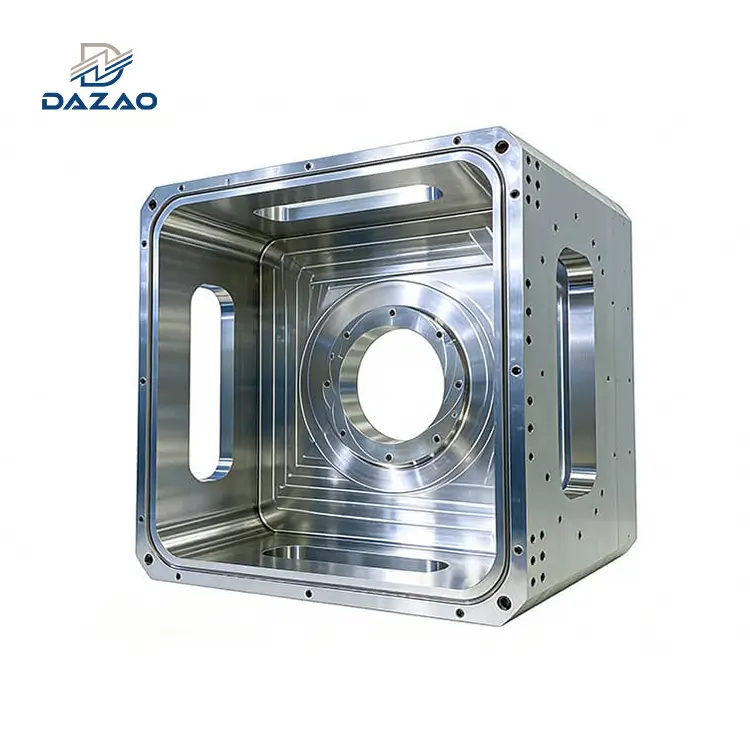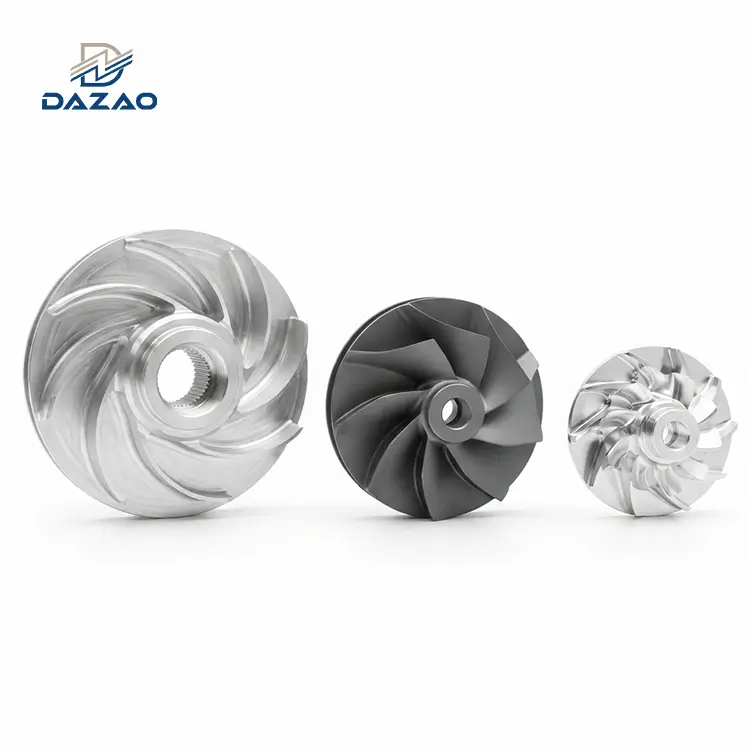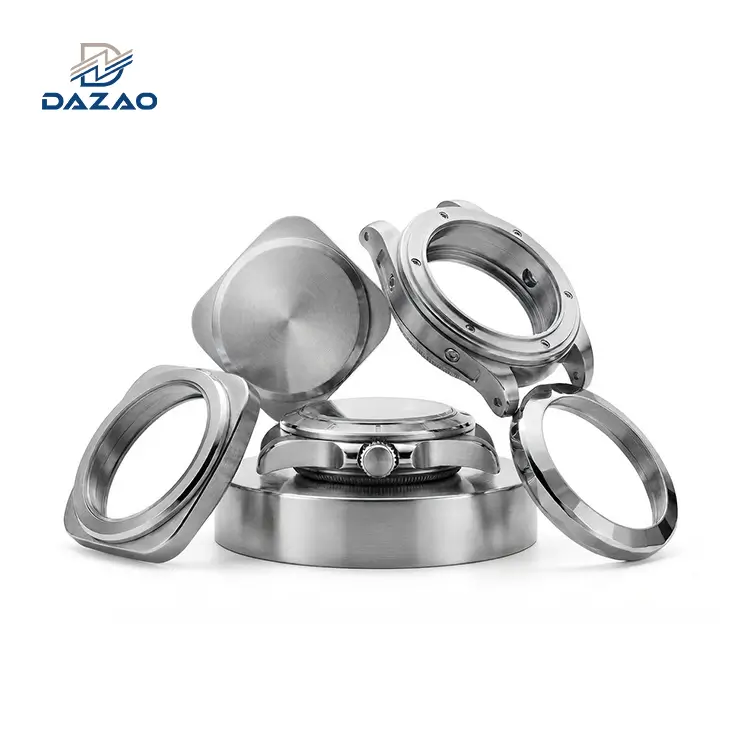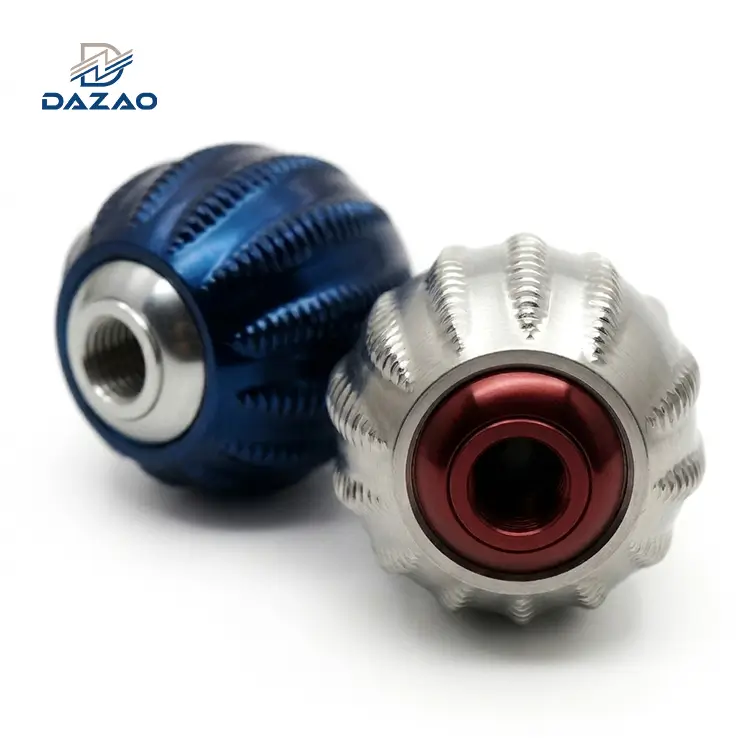

Stainless Steel Casting Is Based On High Chromium Content (Usually ≥10.5%), Combined With Alloying Elements Such As Nickel And Molybdenum, Giving It Excellent Corrosion Resistance And High Temperature Performance. However, During The Casting Process, It Is Easy To Produce Defects Such As Shrinkage Holes And Thermal Cracks Due To High Melting Point, Low Fluidity And Large Solidification Shrinkage, And The Pouring Temperature, Mold Design And Cooling Rate Must Be Strictly Controlled. In Addition, Solution Treatment Or Aging Treatment Is Often Required After Casting To Optimize The Microstructure, Improve Mechanical Properties And Corrosion Resistance, And Is Suitable For Corrosion-Resistant Parts With Complex Geometries (Such As Valves And Pump Bodies).
Lead Time: < 15 Days
Tolerances: ±0.015mm
Max Part Size: Please Contact Us.
Available Stainless Steel at Dazao: Stainless Steel 303, 304, 316, 416, 17-4PH, 15-5 etc.
Stainless Steel
303
Stainless Steel 303 Is Often Used For Casting Precision Mechanical Parts Such As Gears And Valves Due To Its Excellent Cutting Performance, But Its High Sulfur Content Limits Its Fluidity And Requires Low-Pressure Casting For Optimal Molding. The Cooling Rate Must Be Strictly Controlled During Casting To Reduce The Tendency To Thermal Cracking, And Subsequent Machining Is Often Used To Improve Surface Accuracy.
Stainless Steel 303 Properties
|
Tensile Strength, Yield (MPa) |
Shear Modulus (GPa) |
Elongation at Break (%) |
Hardness (Brinell) |
Density (g/cm³) |
|
240 |
77.2 |
50 |
160 |
8 |
Stainless Steel
304
Stainless Steel 304 Is Often Used In The Casting Process To Manufacture Corrosion-Resistant Castings. Its Good High-Temperature Stability And Melt Fluidity Are Suitable For Precision Casting Processes And Are Suitable For The Production Of Pump Bodies, Valves And Food Industry Components. After Casting, Solid Solution Treatment Is Required To Optimize The Grain Boundary Corrosion Resistance, But Due To The Tendency Of Casting Shrinkage, Complex Structural Parts Are More Likely To Be Formed By Rolling Or Forging.
Stainless Steel 304 Properties
|
Tensile Strength, Yield (MPa) |
Shear Modulus (GPa) |
Elongation at Break (%) |
Hardness (Brinell) |
Density (g/cm³) |
|
215 |
77 |
70 |
123 |
8 |
Stainless Steel
316
Stainless Steel 316 Is Often Used To Cast Complex Parts That Are Resistant To High Temperatures And Chemical Corrosion Because Of Its Molybdenum-Enhanced Corrosion Resistance. The Solidification Process Must Be Precisely Controlled During Casting To Avoid Thermal Cracking. This Material Is Formed By Precision Investment Casting Or Sand Molding And Is Widely Used In The Manufacture Of Pressure-Resistant Structural Parts For Chemical Equipment, Marine Engineering And Medical Equipment.
Stainless Steel 316 Properties
|
Tensile Strength, Yield (MPa) |
Shear Modulus (GPa) |
Elongation at Break (%) |
Hardness (Brinell) |
Density (g/cm³) |
|
205 |
74 |
40 |
187 |
8.03 |
Stainless Steel
416
Stainless Steel 416 Has A High Sulfur Content, So You Need To Pay Attention To The Risk Of Hot Brittleness During Casting. It Is Often Used For Small Precision Castings Such As Valve Parts, And The Molding Stability Is Ensured By Optimizing The Pouring Temperature And Annealing Process. After Casting, It Needs To Be Quenched And Tempered To Improve The Mechanical Properties, And Is Suitable For Industrial Scenarios With High Requirements For Machinability And Moderate Corrosion Resistance.
Stainless Steel 416 Properties
|
Tensile Strength, Yield (MPa) |
Shear Modulus (GPa) |
Elongation at Break (%) |
Hardness (Brinell) |
Density (g/cm³) |
|
275 |
83 |
30 |
156 |
7.8 |
Stainless Steel
17-4PH
Stainless Steel 17-4Ph Is Often Used For Precision Casting Of Complex Structural Parts Due To Its Excellent Casting Performance. After Casting, Solution Treatment And Aging Hardening Can Significantly Improve The Mechanical Properties And Corrosion Resistance. It Is Widely Used In Pumps, Valves, Aerospace Load-Bearing Parts And Other Fields. The Cooling Rate Of This Material Needs To Be Controlled During Casting To Avoid The Precipitation Of Delta Ferrite, And The Distribution Of Precipitation Phases Needs To Be Optimized Through Subsequent Heat Treatment To Ensure The Service Stability Of The Casting In A Corrosive Environment.
Stainless Steel 17-4PH Properties
|
Tensile Strength, Yield (MPa) |
Shear Modulus (GPa) |
Elongation at Break (%) |
Hardness (Brinell) |
Density (g/cm³) |
|
1379 |
77.4 |
7 |
419 |
7.8 |
Stainless Steel
15-5
Stainless Steel 15-5 (15-5 PH) Is Often Used In The Casting Process To Manufacture High-Precision, Complex Structure Corrosion-Resistant Parts. Its Excellent Casting Fluidity Is Suitable For Precision Casting Technology. At The Same Time, It Needs To Be Combined With Solution Treatment And Aging Treatment To Regulate The Precipitation Hardening Phase To Improve Mechanical Properties. This Material Is Widely Used In The Fields Of Aerospace, Petrochemical Equipment And Medical Device Casting, And Is Particularly Suitable For Working Conditions With Strict Requirements On Dimensional Stability And Stress Corrosion Resistance.
Stainless Steel 15-5 Properties
|
Tensile Strength, Yield (MPa) |
Shear Modulus (GPa) |
Elongation at Break (%) |
Hardness (Brinell) |
Density (g/cm³) |
|
1280 |
77 |
10 |
388 |
7.8 |