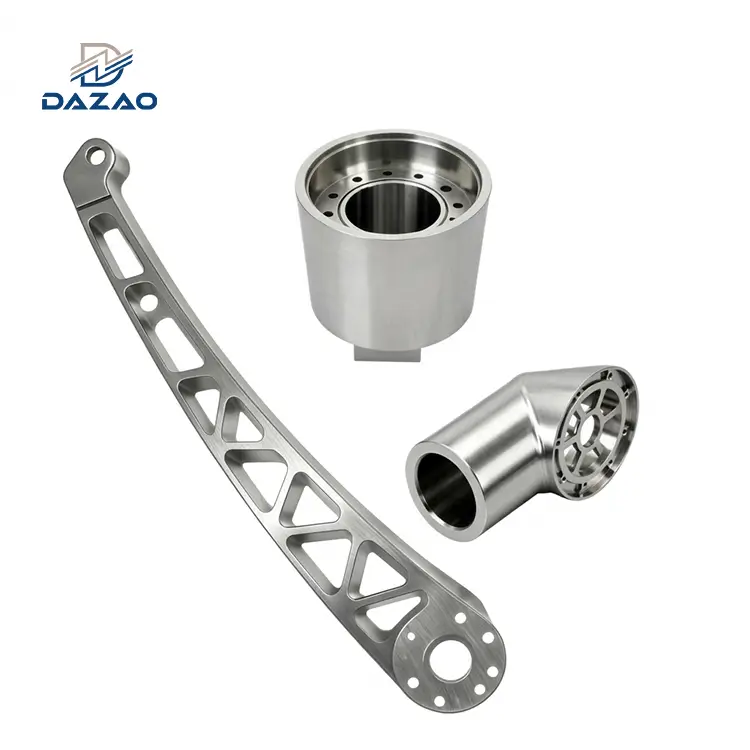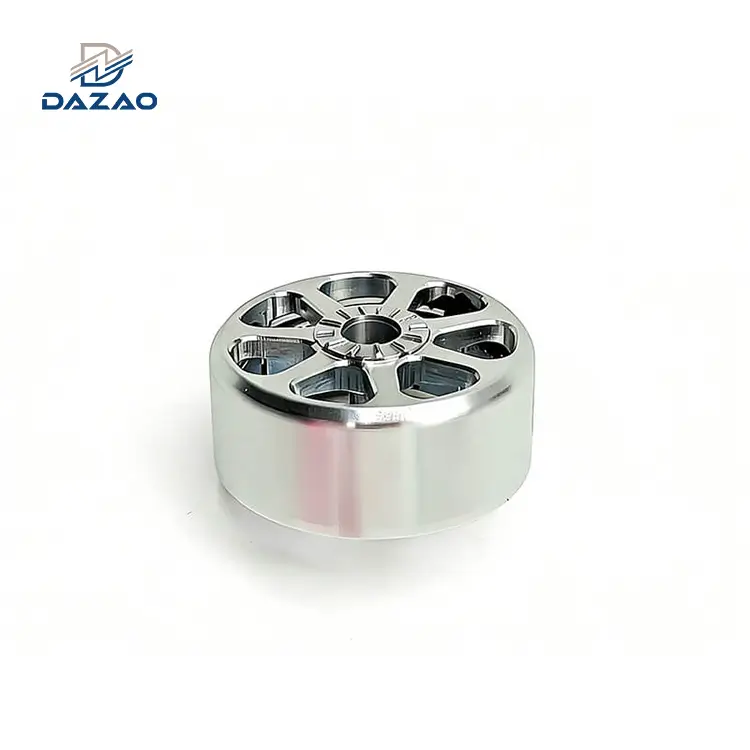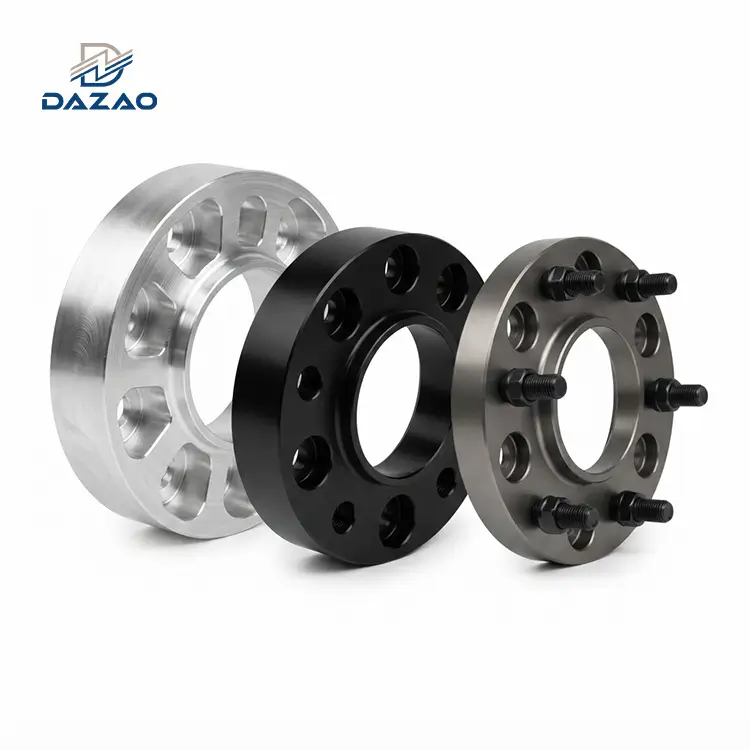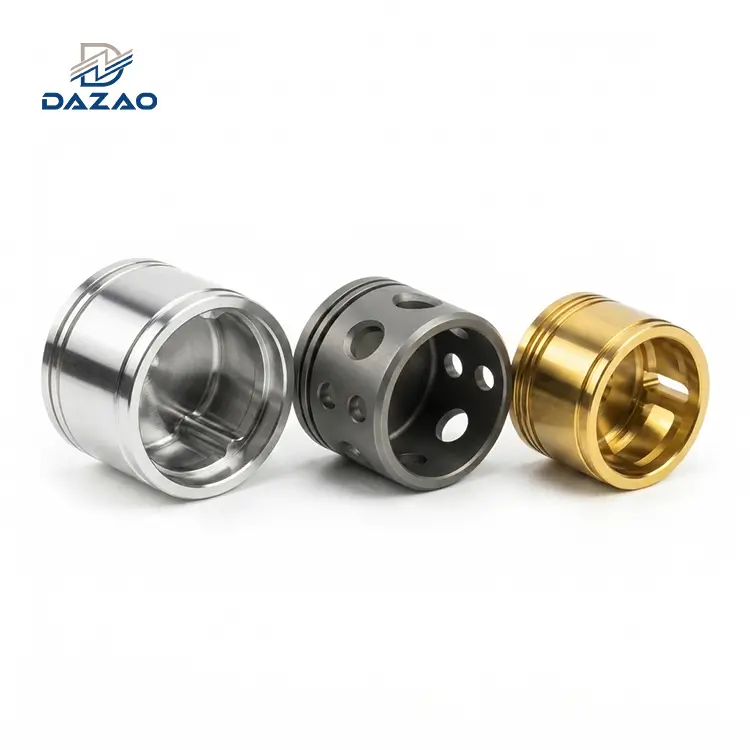
The working principle of sheet metal processing mainly includes the following steps:
Engineering drawing: Professional sheet metal engineers use CAD software to draw two-dimensional or three-dimensional drawings of products, and mark the size, shape and position of each part in detail to provide an accurate basis for subsequent processing.
Cutting: According to the design drawings, large pieces of raw materials are cut into the required size and shape using shearing machines, punching machines, laser cutting machines and other equipment.
Forming: Flat materials are processed into the required three-dimensional shape through processes such as bending, stretching, stamping and spinning. For example, the sheet metal stretching die applies external force to the die through a press, so that the metal sheet undergoes plastic deformation according to the predetermined shape, thereby obtaining the appearance of the required parts or products.
Connection: Multiple parts are connected into a complete product by welding, riveting, bolting and other methods.
Surface treatment: The processed parts are sprayed with paint, electroplated, powder sprayed, etc. to improve the corrosion resistance, hardness and appearance quality of the parts.
Quality Inspection: Comprehensive quality inspection of the finished products, including dimensional measurement, mechanical properties testing and appearance inspection, to ensure that the product quality meets the design requirements.
Throughout the entire processing process, each step needs to strictly follow the process specifications and operating procedures to ensure that the processed products are of high precision and high quality. At the same time, new technologies and new equipment are continuously introduced to improve production efficiency and product quality to meet market demand.