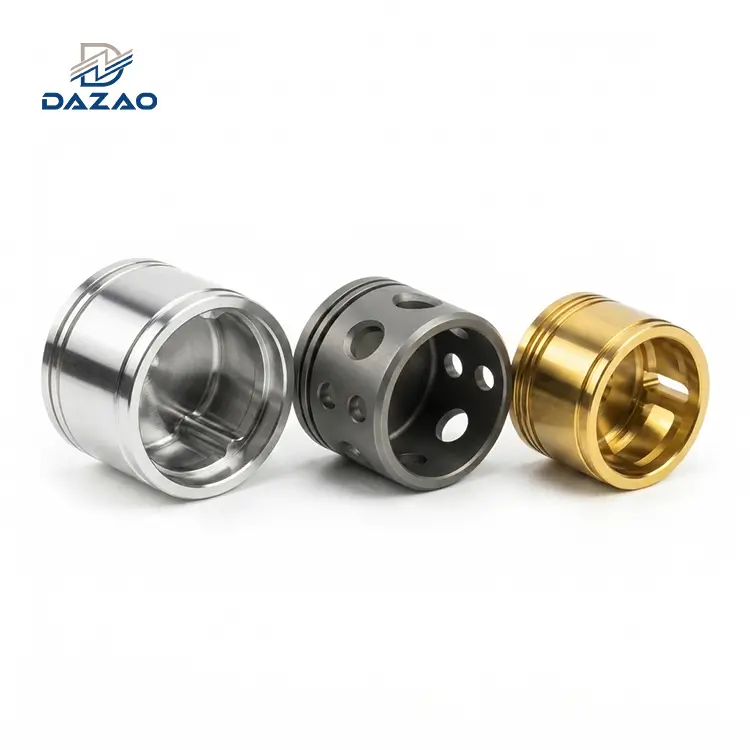

In manufacturing, aluminum CNC machining often feels like the "default answer." For many engineers and buyers, aluminum is the first material considered once they understand what CNC machining is and how it enables repeatable, high-precision production.
In machining communities, you'll frequently hear complaints like:
"Why doesn't my aluminum part fit after anodizing?"
"I specified 6061-why does the surface still show heavy tool marks?"
This article won't repeat textbook definitions. Instead, we will explore what often lacks clear explanation.
We will look at real-world machining problems. We will see how smart design choices can reduce machining costs by 30%. We will also discuss how to avoid small mistakes that can delay a project by weeks.
What Is Aluminum CNC Machining?
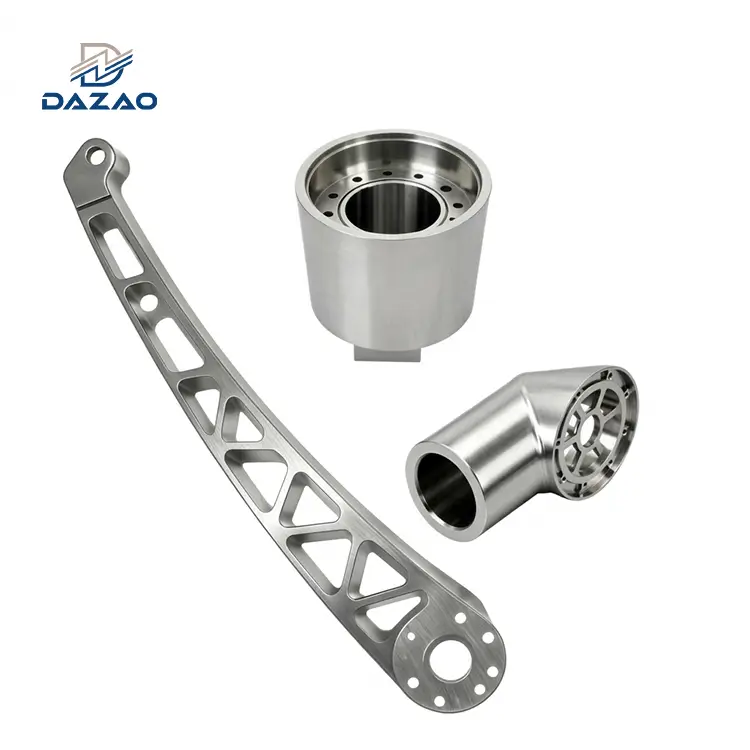
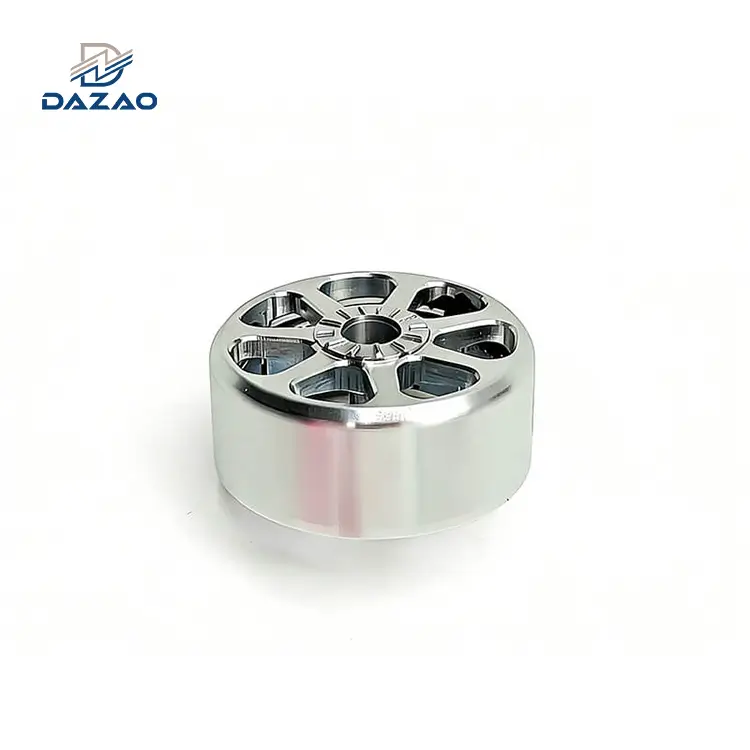
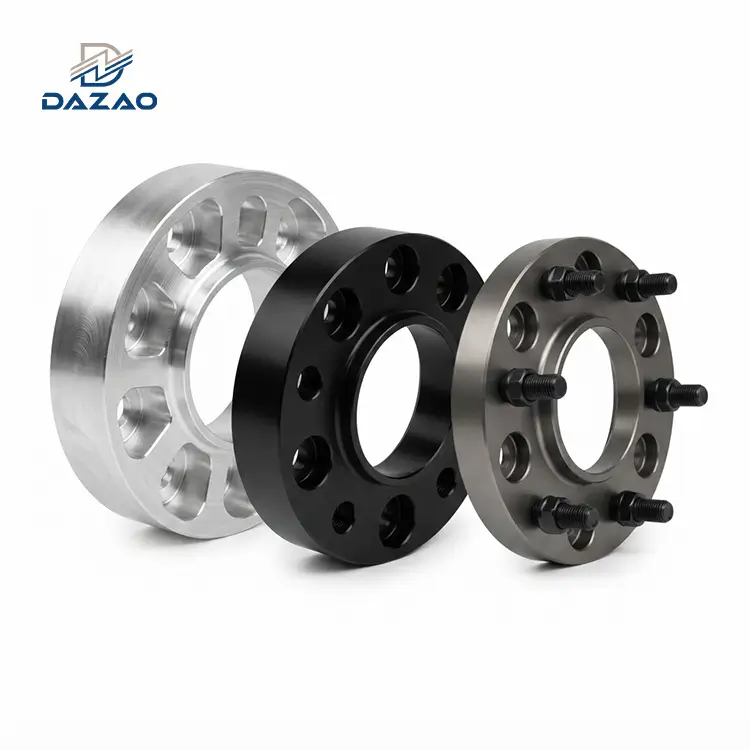
Aluminum CNC machining uses computer-controlled machines to cnc mill, cnc turn, drill, or cut aluminum alloys. This process creates high-precision parts from CAD data. Manufacturers widely use aluminum in modern machining services. This is its great machinability, good strength-to-weight ratio, and thermal conductivity.
In real production settings, manufacturers often use aluminum CNC machining for functional prototypes and low- to mid-volume production. Manufacturers also use it for precision parts where accuracy, surface finish, and lead time are important.
Why Aluminum Is the Preferred Material for CNC Machining Services
Aluminum plays a dominant role in professional machining services primarily because of its physical properties. Its high strength-to-weight ratio allows parts to remain lightweight while still delivering impressive structural strength.
The Role of CNC Technology in Achieving High Accuracy
Modern manufacturing relies on numerically controlled machines to repeatedly produce complex parts with high accuracy. CNC technology allows manufacturers to produce thousands of identical aluminum machined parts with tight dimensional consistency.
Aluminum is easy to cut. This reduces tool wear and allows for faster machining speeds. Both of these factors lower production costs.

Why Aluminum Works Across So Many Industries
Aluminum has properties that make it great for many uses. Manufacturers use it in aerospace frames and in consumer electronics cases. For environments that require excellent corrosion resistance, such as marine applications, certain aluminum alloys significantly outperform carbon steel alternatives.
How to Choose the Right Aluminum Alloy for Your Project?
When sourcing aluminum machined parts, many buyers default to 6061 without much thought. While convenient, this "one-alloy-fits-all" mindset often leads to unnecessary cost or performance trade-offs.
6061 vs. 7075: Strength Is Not the Whole Story
6061-T6
The most commonly used aluminum alloy. It offers good corrosion resistance, excellent machinability, and strong weldability.
7075-T6
Often labeled as "aerospace-grade aluminum"its impressive strength. However, its corrosion resistance is noticeably weaker than 6xxx-series alloys. In coastal or humid environments, and without proper surface treatment, 7075 parts may suffer from stress corrosion cracking.
Specialized Aluminum Alloys for Specific Requirements
5052
Better suited for parts requiring complex bending or welding. It can be a bit "gummier" during CNC machining. However, its corrosion resistance makes it great for marine or outdoor use.
2024
People know it for its high fatigue strength. However, its surface appearance after anodizing can be inconsistent. This makes it less suitable for cosmetic parts.

How to Reduce Aluminum CNC Machining Costs Without Sacrificing Accuracy?
Ask most suppliers how to lower machining costs, and you'll hear: "Simplify the design." People rarely explain how to do that effectively.
Design for Machining: Control Hole Depth and Geometry
Deep, narrow slots and small-diameter holes are hidden cost drivers.
The problem:
Slender cutting tools are prone to vibration and breakage, forcing shops to reduce spindle speed and extend cycle times.
The solution:
Keep internal corner radii larger than the cutter diameter whenever possible. A practical rule is to limit hole depth to no more than four times the hole diameter. A blind hole ten times deeper than its diameter often carries a risk premium of 50% or more in the final quote.
Rethinking High-Accuracy Requirements
Do you need a tolerance of ±0.01 mm everywhere?
Reality:
Aluminum has a relatively high thermal expansion coefficient. A 10°C temperature change during transport or storage can already invalidate such tolerances.
Recommendation:
Apply tight tolerances only to functional interfaces. Relax non-critical dimensions. This alone can significantly reduce machining time and scrap rates while improving overall production stability.
When aluminum parts show warping, assembly issues, or surface defects after machining, the cause is rarely a single operation. These problems often come from a mix of material choice, stress management, and post-processing steps. You can find most of these issues during prototyping.
Expert Insights: Avoiding Common Aluminum CNC Machining Pitfalls
Managing Internal Stress to Prevent Deformation
Have you ever seen a part come off the machine perfectly flat-only to warp overnight?
Why it happens:
Machining removes material that once balanced internal residual stress. Thin-walled parts (especially under 1.5 mm) are particularly vulnerable.
Best practice:
For high-flatness needs, use a two-stage machining process. Start with rough machining to release stress, then do a finishing pass. This approach dramatically improves dimensional stability.
How Surface Finishing Affects Final Dimensions
Anodizing doesn't just change color-it changes size.
Key facts:
Standard anodizing adds approximately 5–10 μm per surface, while hard anodizing can to 50 μm.
Critical guideline:
Never machine to final "dead size" before anodizing. Always specify on drawings:
"Dimensions apply after surface finish."
Many so-called "high-precision failures" do not result from machine limits. Instead, they come from conflicts between overly strict tolerances and actual manufacturing processes.

Surface Treatment and Post Processing: More Than Appearance
Freshly machined aluminum parts usually show tool marks. Post processing is essential for functional and cosmetic requirements.
Anodizing: Improves hardness and corrosion resistance; the most common aluminum CNC finishing option.
Powder Coating: Provides thicker protection and a wider color range than paint, while masking minor surface imperfections.
Bead Blasting: Quickly creates a uniform matte surface finish with a premium look.
Chemical Conversion Coating (Alodine / Chem Film): Maintains electrical conductivity while offering basic corrosion protection-commonly used for electronic housings.

How to Evaluate a CNC Machining Supplier?
With thousands of machining service providers available, price alone is a poor indicator of reliability. A capable partner should demonstrate:
Thermal control awareness: Precision aluminum machining requires temperature-stable environments.
Effective chip evacuation: Dedicated aluminum cutters and high-pressure coolant systems directly affect surface quality.
Proactive DFM feedback: If a supplier suggests making fillet radii larger, they are likely helping you. If they recommend reinforcing thin walls, that is also a good sign. This can help you avoid waste and lower costs.

Conclusion: From Machining to Intelligent Manufacturing
Aluminum CNC machining is more than cutting metal. It combines material science, geometry, and practical experience.
To achieve consistently high-quality machined parts:
· Choose the right alloy (don't let 6061 limit your thinking)
· Respect internal stress (thin walls separate average shops from great ones)
· Allow for surface finishing (don't let anodizing ruin precision fits)
· Simplify wisely (use accuracy where it matters, not everywhere)
In today's competitive manufacturing world, knowing these unwritten rules can save you thousands of dollars. It can also provide parts that feel professional to your customers.
If you need a partner who understands CNC technology and aluminum alloys, Dazao's engineering team can assist you. We have worked on many complex aluminum machining projects. We know how to turn drawings into reliable, ready-to-use parts.

FAQ
Q1: What are the best aluminum alloys for CNC machining?
A: The best alloy depends on real application conditions, not just datasheet strength. 6061-T6 is a popular choice because it balances cost, machinability, and corrosion resistance. However, 5052 often works better in marine or outdoor settings. Selecting 7075 too early frequently increases cost and corrosion risk.
Q2: How can I reduce aluminum CNC machining costs?
A: Most hidden costs come from unrealistic geometry and over-tight tolerances. Deep narrow pockets and blanket ±0.01 mm tolerances significantly increase machining time. Relaxing non-critical tolerances alone can reduce costs by 20–30% without affecting function.
Q3: How do anodizing and powder coating affect part dimensions?
A: Anodizing adds measurable thickness to part surfaces. Many assembly failures occur because someone defined dimensions before surface finishing. Always clarify whether critical dimensions apply before or after finishing.
Q4: Why is aluminum so widely used in CNC machining?
A: Aluminum offers predictability.- Faster spindle speeds help with chip removal.This results in smoother surface finishes.These factors lead to shorter lead times.They also cause fewer quality problems compared to harder materials like steel.
Q5: How do you prevent deformation in thin-walled aluminum parts?
A: Deformation is a process-planning issue, not a machining error. Staged machining, stress relief, and optimized fixturing are far more effective than relying on a single precision finishing pass.